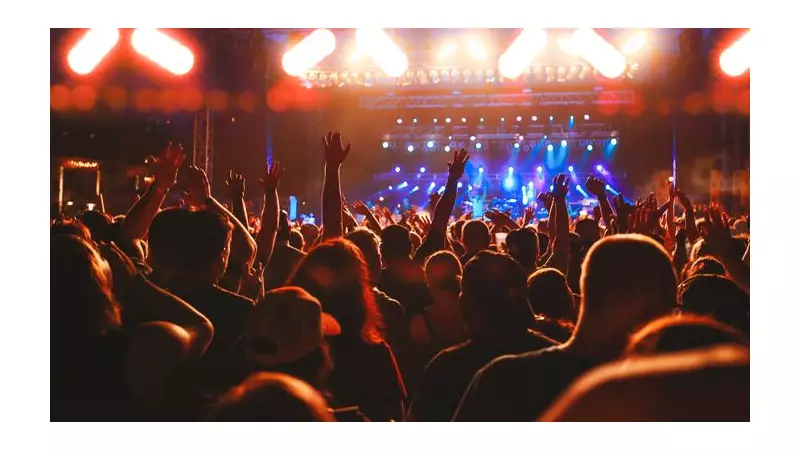
The UK's booming live music scene has been hit by a sharp rise in ticket fraud, with fans losing nearly £10 million to sophisticated scams last year. As a record 23.5 million people attended gigs and festivals, criminals capitalised on the high demand, leaving thousands out of pocket and without their tickets.
Sharp Rise in Reported Ticket Fraud
Official figures reveal a worrying trend: reported losses from ticket fraud surged from £6.7 million in 2023 to £9.7 million in 2024. In total, close to 10,000 individual cases were recorded by victims across the nation. This spike in criminal activity has coincided with a post-pandemic surge in live event attendance, creating a perfect storm for fraudsters.
Website security specialists at Webpop Design are urging music lovers to exercise extreme caution, especially when trying to secure seats for sold-out or high-profile concerts. A company spokesperson advised: "If tickets are unavailable on the primary platform, resist the urge to immediately search on social media or unknown sites. Your first step should be to thoroughly check the site's reviews and history to confirm it is legitimate."

How the Scams Operate and Key Red Flags
Fraudsters employ several convincing tactics. They create cloned websites that mimic official vendors and post deceptive 'last chance' offers on social media platforms. A common thread is the pressure to move the conversation to WhatsApp and to pay via instant bank transfer or PayPal's 'Friends and Family' option—methods that offer the buyer no financial protection or recourse.
Many victims only realise they have been duped upon arrival at the venue, when their QR code is scanned and found to be fake, duplicated, or already cancelled. To help the public spot fraudulent sellers, Webpop Design has outlined several critical warning signs:
- Suspicious web addresses containing typos, added words, or non-standard domains like .co or .info.
- Unrealistically low prices or vague seating descriptions such as 'general admission - seat allocated later'.
- High-pressure sales tactics, including fake countdown timers and pop-ups falsely claiming limited availability.
- Poorly designed websites featuring spelling errors, broken links, mixed currencies, generic stock images, or unexpected redirects during checkout.
- Lack of a clear refund policy, vague terms and conditions, or prominent 'all sales are final' disclaimers.
Protecting Yourself and What to Do If Scammed
The safest advice remains to purchase tickets only via official links from the artist, venue, or their promoted partners. Sticking to these trusted sellers dramatically slashes the risk of being caught out.
If you suspect you've fallen victim to a ticket scam, act swiftly:
- Contact your bank or card issuer immediately to report the fraudulent transaction.
- Keep detailed screenshots of all communications with the seller.
- Report the seller on the platform (e.g., social media site, marketplace) where the contact originated.
- Alert the event venue or promoter.
While recovering money sent via bank transfer is challenging, reporting the crime is vital. It helps authorities track and ultimately shut down fraudulent operations. Several major tours for 2026, including Westlife, Bon Jovi, AC/DC, and ZAYN, have already announced dates with verified ticketing partners, reminding fans to always use official channels.