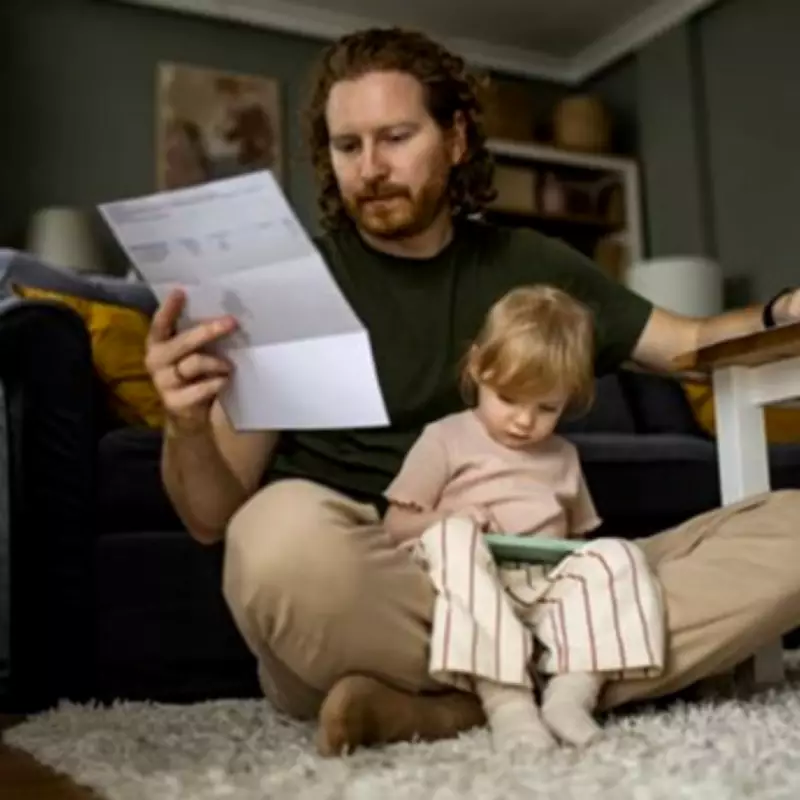
A new warning has been issued for UK households, particularly those living alone, regarding the risk of unexpected bills. According to research commissioned by insurance provider Aviva, the majority of single adults would struggle to cover an unforeseen expense of £850. The findings highlight a growing financial vulnerability among this demographic, with 58% of single or solo-living adults admitting they could not handle such a shock, compared to just 23% of the general population.
High fixed costs strain finances
Aviva's data reveals that people living alone typically spend over £1,200 per month on fixed costs before any discretionary spending. This includes essentials like rent or mortgage payments, which average around £1,100 per person, plus additional expenses such as broadband, mobile phone bills, insurance, and subscription services. These commitments leave little room for savings, with more than a third of solo adults reporting they do not save regularly.
Impact of living alone
Alistair McQueen, Head of Savings and Retirement at Aviva, explained the unique challenges faced by those living alone. “When you live alone, you shoulder the responsibility for every bill that hits the doormat,” he said. “Our research shows that more than £1,250 a month is already committed for many single people, and nearly six in ten don’t feel confident they could cope with an £850 emergency bill.” He emphasized that while essential spending is similar to that of multi-person households, the lack of cost-sharing makes saving harder and leaves individuals more exposed to financial shocks.

Encouraging small savings
Despite the daunting figures, McQueen offered a note of optimism: “That helps explain why saving can feel so hard. However, even small, regular amounts set aside can still make a meaningful difference to people’s confidence and financial resilience over time.” Aviva’s research underscores the importance of building even modest savings buffers to mitigate the impact of unexpected expenses.