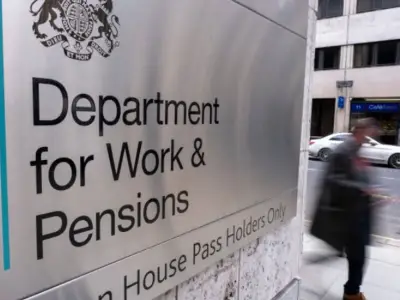
Around three million pensioners are no longer eligible for Winter Fuel Payments after the annual allowance was linked to income, with a £35,000 cut-off point now in place.
The payments, which used to be universal for all over-65s, were scaled back after Labour was elected. The winter allowance is now means-tested, meaning not everyone benefits.
Anyone with a total income over £35,000 a year does not get to keep the cash. All pensioners initially receive the money, but it is then taken back by HMRC from pension payments from those who do not qualify. This happens in instalments over the following year.

Government defends targeting of payments
The Government wanted to ensure lower-income and vulnerable pensioners still got help with energy bills. But they decided money was essentially being wasted on wealthier households who did not require it.
Income rules are based on individual incomes rather than households. The Government explained: "If you were born on or before June 27, 1960 you could get between £100 and £300 to help you pay your heating bills for winter 2026 to 2027. This is known as a 'Winter Fuel Payment'."
"Most people get the Winter Fuel Payment automatically if they're eligible. If you're eligible, you'll receive a letter in October or November saying how much you'll get. Most eligible people will be paid in November or December 2026."
Payment schedule and eligibility details
Winter Fuel Payments will start being paid out once again in November in the run-up to Christmas. The Government added: "If your total income is over £35,000, HMRC will take your Winter Fuel Payment back. Your partner's income does not count towards your total."
The change means that around three million over-65s are no longer eligible for the payment, which previously went to all pensioners regardless of income.