Birmingham Balti Campaign for UNESCO Recognition Gains Mayor's Backing
The beloved Birmingham dish known as the balti is at the center of a major campaign aiming to secure global recognition, with strong support from West Midlands Mayor Richard Parker. The Labour Mayor has publicly endorsed efforts to have the Birmingham balti acknowledged by UNESCO, highlighting its unique origins and cultural importance to the city.
Mayor's Visit to Titash Restaurant
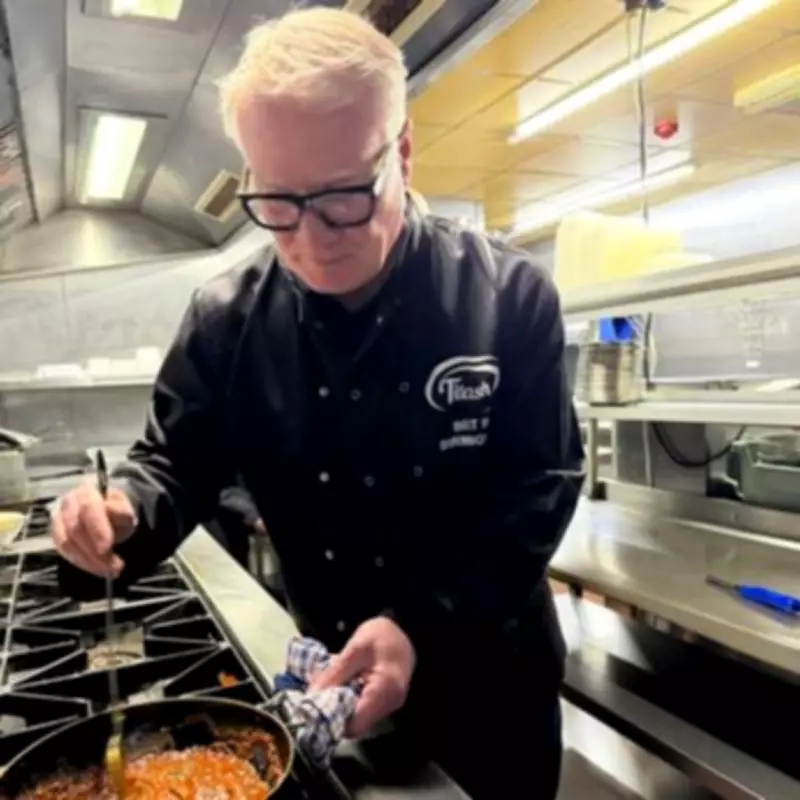
Mayor Richard Parker recently visited Titash restaurant on Coventry Road in Birmingham, where he joined manager Jameel Ali in the kitchen to learn how to prepare the iconic dish. Titash, opened by Jameel's father Athiq Ali in 1987, has been a cornerstone of the Birmingham balti scene for nearly four decades, serving as a living testament to the dish's enduring legacy.
During his visit, Mayor Parker praised the Ali family's contributions, stating, "What Athiq and his family have built here is extraordinary – the food, the warmth, the history in every dish." He emphasized that the balti is more than just a meal; it is a symbol of Birmingham's identity and community spirit.
Origins and Cultural Significance
The balti originated in Birmingham during the 1970s, developed by South Asian communities who innovatively adapted traditional recipes to create something entirely new. This culinary creation has since become a staple in thousands of restaurants across the UK, widely recognized as a Birmingham original that reflects the city's diverse and creative heritage.
Mayor Parker elaborated on this point, saying, "The balti is a Birmingham story. It was created here, shaped by the communities who made this city their home, and it has fed people across generations. The dish deserves to be recognised – not just locally, but by the world." He added that food has a unique power to bring people together, making the balti a perfect ambassador for Birmingham's inclusive culture.
Support from Local Leaders and Historians
The campaign for UNESCO recognition is bolstered by the work of food historian Andy Munro, who has spent years documenting the balti's origins and advocating for its cultural significance. His research provides a solid foundation for the formal UNESCO bid, underscoring the dish's role in Birmingham's social fabric.
Councillor Saima Suleman, the Labour cabinet member for culture at Birmingham Council, also voiced her support. She described the balti as a symbol of Birmingham's creativity and diversity, stating, "Birmingham's story is one of pride in who we are. A diverse city where different communities come together to create something greater than the sum of its parts. The balti is a perfect example of that."
Broader Cultural Investment
Mayor Parker's backing for the UNESCO campaign aligns with Labour's broader commitment to investing £1 million in grassroots culture across Birmingham. This initiative aims to celebrate and preserve the city's unique cultural assets, with the balti serving as a prime example of how local traditions can gain international acclaim.
Jameel Ali of Titash restaurant expressed pride in being part of this tradition, noting, "My dad opened Titash in 1987, and we've been serving the Birmingham balti ever since. We're proud to be part of a tradition that started here in this city and has brought people together for generations."
As the campaign gains momentum, it highlights Birmingham's role as a hub of innovation and community, with the balti poised to potentially join the ranks of UNESCO-recognized cultural treasures, showcasing the city's rich heritage on a global stage.