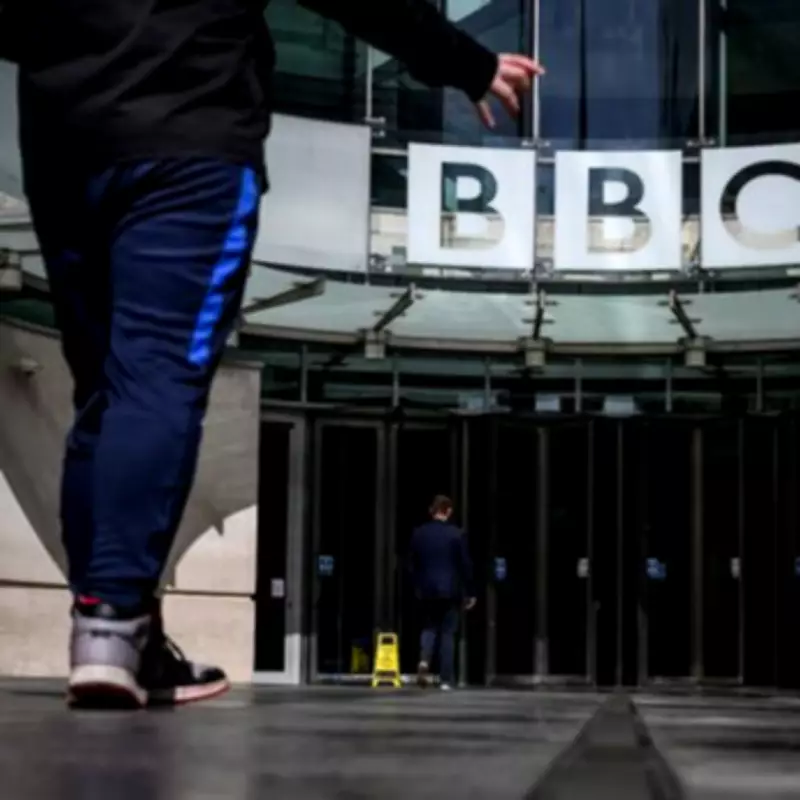
BBC Announces End of Historic Radio 4 Long Wave Service
The BBC has officially confirmed it will shut down its Radio 4 Long Wave (LW) service later this year, marking the end of a broadcasting era that has lasted over nine decades. The decision comes as a significant blow to loyal listeners who have relied on this unique transmission method.
Declining Listener Numbers Cited as Primary Reason
In a formal statement, the BBC explained that "as LW is an older broadcasting technology, recent years have seen a decline in listener numbers, with the majority now opting for FM and DAB digital platforms." The corporation further stated that "investing in upgrading the LW equipment is not considered a cost-effective solution for licence fee-funded services."
The Radio 4 Long Wave service has been transmitted from the historic Droitwich Transmitting Station, covering most of the United Kingdom and northern Europe with a single powerful transmitter for 91 years. This technology has provided a vital radio link in remote areas where digital signals and internet coverage remain unreliable.
Transition Plan for Affected Listeners
Listeners will receive a two-month notice before the final shutdown, with daily broadcast reminders to "help everyone switch to other ways of listening." The BBC is encouraging audiences to migrate to FM, DAB digital radio, or online streaming platforms as alternatives to the longwave service.
Growing Opposition to the Decision
Already, a petition has been launched to save the longwave broadcast, arguing that "BBC Radio has been broadcasting on longwave for over a century" and that "this radio frequency uniquely travels practically unimpeded across the country." Supporters emphasize that "not everyone is able to access digital or internet radio and longwave remains the most reliable way of receiving the BBC in any place at any time."
The petition further highlights environmental concerns, noting that "longwave receivers require far less power than digital radios, computers and mobile phones." It concludes with a call for the BBC to "cancel these plans to scrap Radio 4 longwave, and to continue to provide this essential and historic radio lifeline for as long as possible."
Listener Reactions and Concerns
One supporter expressed frustration, stating: "Not everyone can receive DAB as clearly as LW. It is a very spiteful move by the BBC who clearly have not done any proper research into how valuable this service is to many, many people." Another lamented: "Any valve radio enthusiast such as myself will be left with nothing other than ornaments."
The shutdown represents not just the end of a radio service, but the disappearance of a broadcasting technology that has served British audiences through multiple generations. As the transition period begins, many listeners face the challenge of adapting to new technologies while mourning the loss of a reliable, historic broadcast method.