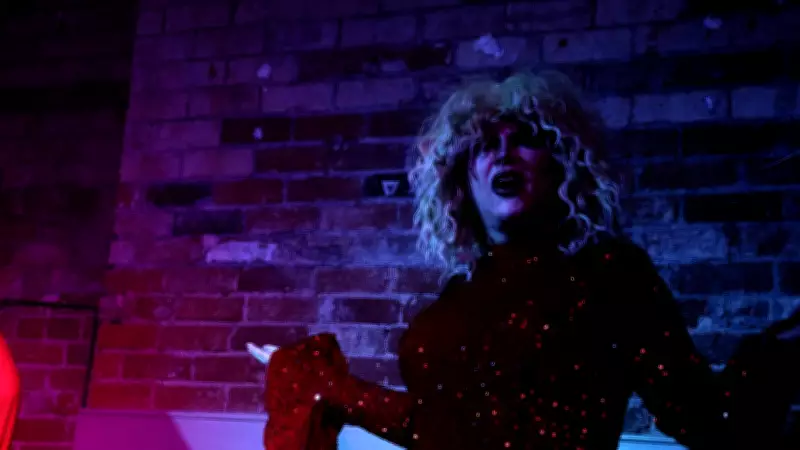
Birmingham's Drag Queens Champion 'Bastard' Tradition Over Mainstream Glamour
Drag performance, once rooted firmly in underground gay culture, exploded into mainstream consciousness during the late 20th century with iconic figures like Dame Edna Everage and Lily Savage becoming household names. During this era, comedy was the central focus, and a polished appearance was decidedly not the objective.
The Rise of Glossy Drag and Birmingham's Resistance
The 2010s ushered in a transformative era for drag with the global television phenomenon RuPaul's Drag Race. The show popularized a flashier, high-glamour aesthetic where contestants frequently invest thousands in elaborate outfits, and judges openly criticize those wearing fast fashion. This glossy, expensive image has become the dominant presentation of drag across the UK.
However, in pubs and clubs throughout Birmingham, the original, rougher style defiantly endures. Known as 'bastard drag,' this approach prioritizes unpolished comedy and chaotic energy over pristine perfection. Once considered a derogatory term, 'bastard' has been proudly reclaimed by a new generation of Birmingham queens as a badge of honor.

Inside Birmingham's Bastard Drag Scene
Backstage at the Village Inn, the atmosphere is electric. Drag performers Mia Virgin and Jazmin Sparks prepare for their monthly Funhouse show, a high-energy event they launched in November 2024. The previous night, they performed at Wednesfield Conservative Club, raising an impressive £1,100 for the mental health charity CALM.
"Bastard drag is fun, camp, a bit silly," Sparks explains after the show. "I think that's a good thing about Birmingham—we like to reclaim power words." Her philosophy embodies the scene's spirit: it's not about looking pristine but about connecting with the audience through humor and authenticity.
Their performances are a quintessentially Brummie blend of physical comedy and frenzied lip-syncing, drawing from a vast repertoire that includes soap opera parodies and character acts. This style has deep roots in the city, dating back to the opening of Birmingham's first gay club, The Nightingale, in 1967, where Lily Savage performed alongside local acts.
Nurturing New Talent Outside the Spotlight
While Drag Race UK has undoubtedly broadened drag's audience, Birmingham's scene focuses on grassroots development. Several established queens began their careers in local competitions like Ladywood Legends, hosted by drag king Crip Ladywood, which welcomes first-time performers.
Other foundational platforms included the now-closed Super Smash Drags Titans at The Loft, where Sparks honed her craft. These community-focused shows allow performers to develop unique personas without pressure to appeal to a national television audience, fostering some of the most original acts in the country.
Selma Soul, Sparks' 'drag daughter,' exemplifies this independence. Dressed as a fusion of Kate Bush and a Twilight vampire, she expresses zero interest in the TV competition format. "I'd probably walk in and go, 'by the way, I don't want to do this' and leave," she states bluntly.
The Enduring Appeal of Chaos and Comedy
The Haus of Sparks, a drag family including Soul, Sparks, and queen Misty, delivers haywire pop culture parodies that electrify audiences. Their shows are a testament to bastard drag's lasting vitality. Sparks believes the format resonates powerfully today. "People have gone through so much in the last few years, they just want to go have a drink, see a man in a wig," she reflects.
As drag continues to evolve, Birmingham's performers remain committed to preserving this raucous, inclusive tradition. They proudly embrace being cheap, hilarious, and utter bastards, ensuring the city's historic queer comedy culture not only survives but thrives with unmatched energy and heart.