The Truth Behind Birmingham's Ubiquitous 'Lupoca' Graffiti
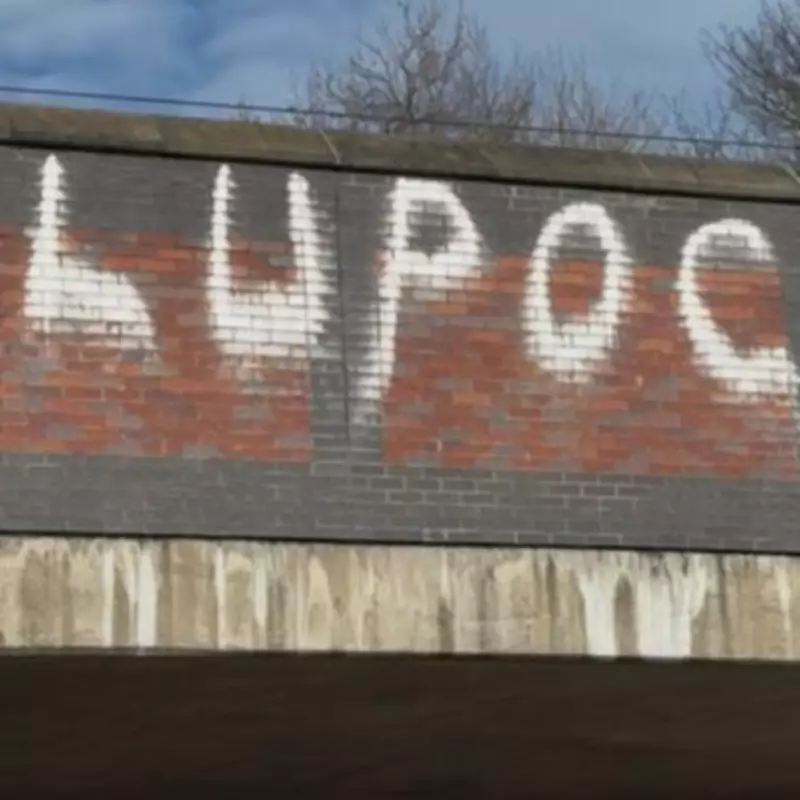
Across Birmingham's urban landscape, from railway bridges to motorway flyovers, high-rise buildings to residential bins, one mysterious graffiti tag has become an inescapable presence. The name 'Lupoca' has been scrawled, sprayed, and etched into the city's fabric for years, sparking curiosity and controversy among residents and authorities alike.
Who Is the Elusive Figure Behind the Tag?
According to exclusive insights from graffiti world insiders speaking to BirminghamLive, the person behind the notorious 'Lupoca' tag is an Italian man in his late twenties living in the West Midlands. Known as 'Lupo' - which translates to 'wolf' in Italian - he has been tagging across the region since his teenage years and remains active despite never facing serious legal consequences.
Through anonymous social media channels, sources close to Lupo revealed surprising details about his identity and methodology. One insider, claiming to be a childhood friend who attended the same school, explained that Lupo has managed to maintain his prolific output while evading capture through his profession as a lorry driver, which allows him constant access to motorway bridges and transportation corridors.
The Evolution from 'Lupoca' to 'Lupo'
Perhaps the most significant revelation is that the familiar 'Lupoca' tag is effectively extinct. The 'OCA' portion represented a graffiti crew of approximately ten members that Lupo once belonged to, but which has since disbanded as members grew older and drifted apart. According to insiders, there was no animosity in the split - simply the natural progression of life pulling friends in different directions.
"Whenever you see Lupoca, it's just one person," the insider emphasized. "It's the same person that tags Lupo. He'd found a way to incorporate his tag and the crew at the same time. Nobody else in OCA did that."
This means that while new 'Lupoca' tags won't appear, the artist continues his work under the simplified 'Lupo' moniker. The insider confirmed that Lupo remains active and that his work extends beyond Birmingham, potentially reaching international locations.
The Culture and Controversy of Graffiti Tagging
Within graffiti circles, prolific tagging earns respect, particularly when artists claim difficult or risky locations. Insiders describe the practice as addictive, driven by the thrill of making bold statements and competing to achieve maximum visibility. High placements known as 'heavenz' are especially admired within the community.
However, this underground world can turn dangerous. "It's really pathetic but I've seen it escalate all the way to stabbings," one source revealed, explaining how conflicts over painted-over tags can lead to violent confrontations that go beyond simple territorial disputes.
Official Response and Crackdown
While some may view the tags as urban art, Birmingham City Council takes a firm stance against what they classify as vandalism. In a recent intelligence-led operation, authorities identified a graffiti crew responsible for significant tagging activity and issued a Community Protection Warning to one individual at their home address.
The order includes strict conditions prohibiting involvement in graffiti and even bans carrying aerosol cans or similar items. Waqar Ahmed, assistant director for community safety and resilience, stated: "This is a clear and important step in protecting our neighbourhoods from environmental crime and anti-social behaviour. Graffiti vandalism causes real harm to residents, businesses and the wider environment."
The council emphasized their commitment to using high-quality intelligence and community information to take meaningful action against persistent graffiti vandalism affecting Birmingham communities.
The Cultural Impact of a Tag
The 'Lupoca' phenomenon has transcended its origins to become part of Birmingham's urban culture. In one particularly surreal example, a resident revealed they had named their cat Lupo after the graffiti, noting the Italian translation meaning 'wolf.' The tag has even spawned its own Instagram account, demonstrating how underground art can permeate mainstream consciousness.
As Birmingham continues to grapple with the tension between urban expression and community standards, the story of Lupo and his evolving tag offers a rare glimpse into the hidden world of graffiti culture and its complex relationship with the city it both decorates and defaces.