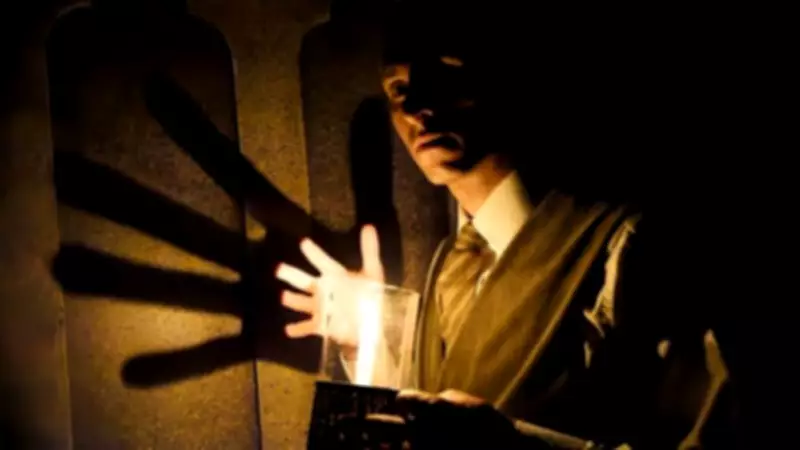
Few theatrical thrillers have achieved the enduring, chilling grip of The Woman in Black, Stephen Mallatratt's masterful adaptation of Susan Hill's iconic novel. Since its debut in 1987, the play has cultivated an almost mythic reputation, not through lavish spectacle or technical excess, but through the sheer precision of its storytelling and the unnerving power of suggestion. This week, the production descends upon the Yvonne Arnaud Theatre in Guildford, promising to captivate audiences with its timeless terror.
A Deceptively Simple Premise with Profound Depth
The premise appears straightforward yet harbors profound psychological depth. Arthur Kipps, a tormented solicitor, enlists a professional actor to help him recount a deeply troubling episode from his past—a haunting memory he feels compelled to exorcise but cannot face alone. What unfolds is a mesmerizing play within a play, as Kipps' recollections of a journey to the desolate Eel Marsh House are gradually and chillingly re-lived.
This isolated house, accessible only at low tide, exists where solid ground gives way to treacherous marsh, enveloping mist, and something far more sinister. There, Kipps glimpses the mysterious figure of a woman dressed entirely in black, whose presence is shrouded in a legacy of profound grief, relentless vengeance, and inexplicable terror that seeps into the very fabric of the narrative.
Theatrical Economy at Its Most Compelling
The production's immense power stems from its remarkable theatrical economy. With a minimal set, limited props, and a cast of just two actors, it relies entirely on masterfully crafted atmosphere, evocative sound design, strategic lighting, and, most crucially, the audience's own imagination. Every elongated shadow, every pregnant silence, every ominous creak, and every piercing scream carries immense weight, building a palpable tension that grips viewers from start to finish.
The result is not merely a sequence of jump scares but a sustained, meticulous exercise in mounting psychological tension. The cast commands unwavering attention, with John Mackay delivering a haunting performance as the solicitor Arthur Kipps, and Daniel Burke excellently portraying the actor who stumbles into this world of uncertainty and dread.
An Enduring Legacy That Feels Freshly Conjured
The Woman in Black has earned a formidable legacy in the world of theatre, yet it retains a startling ability to feel both immediate and fresh, as if the terrifying story is being conjured from the ether for the very first time with each performance. Audiences remain riveted to the stage, utterly absorbed by the unfolding horror. The production runs until Saturday, April 18, with tickets available for those brave enough to experience its chilling embrace.
Additional Theatre News from Yvonne Arnaud
In other news from the Yvonne Arnaud Theatre, the venue has just announced its pantomime line-up for Sleeping Beauty later this year. Peter Gordon and Lucy Benjamin return to lead the cast, with the thoughtful inclusion of Tom Miller in the named role of Hickory. Miller, who was part of the ensemble and understudy last year, famously stepped into the Dame role for most of the run due to Gordon's indisposition, effectively saving the show. His invitation back is both a charming gesture and offers excellent public relations potential for the theatre.
Guildford Shakespeare Young Company's Ambitious Production
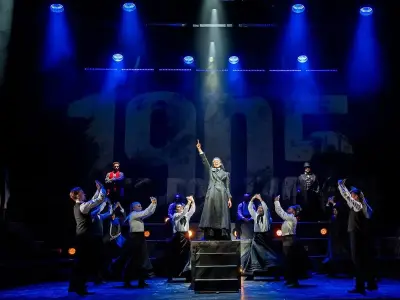
Meanwhile, the Guildford Shakespeare Young Company recently presented Anatomy of (T)Errors at the Guildford Baptist Church. The production opened with an arresting scene: a crack of thunder, a lightning flash, and the audience transported to a Victorian graveyard thick with eerie possibility. The mostly mid-teen company showed admirable willingness to grapple with large ideas like mortality, human destructiveness, and the fleeting nature of existence, drawing inspiration from the moral landscape of Frankenstein.
This ambitious production aimed to weave strands from the Guildford Shakespeare Company's three major 2025 adult productions: Frankenstein, Pride & Prejudice (which marked the company's first transfer to Broadway), and A Comedy of Errors. Under the direction of Rob Cann, who also designed the multi-level set, the young ensemble moved at a brisk pace with slick cue-work and a clear sense of structure. The script, devised by Theo Toksvig-Stewart, allowed the cast to thoughtfully engage with contrasting tones, from ethical unease to Regency gentility and farcical mistaken identities. The cohesive ensemble demonstrated strong teamwork and discipline, earning sustained applause from an appreciative audience.