
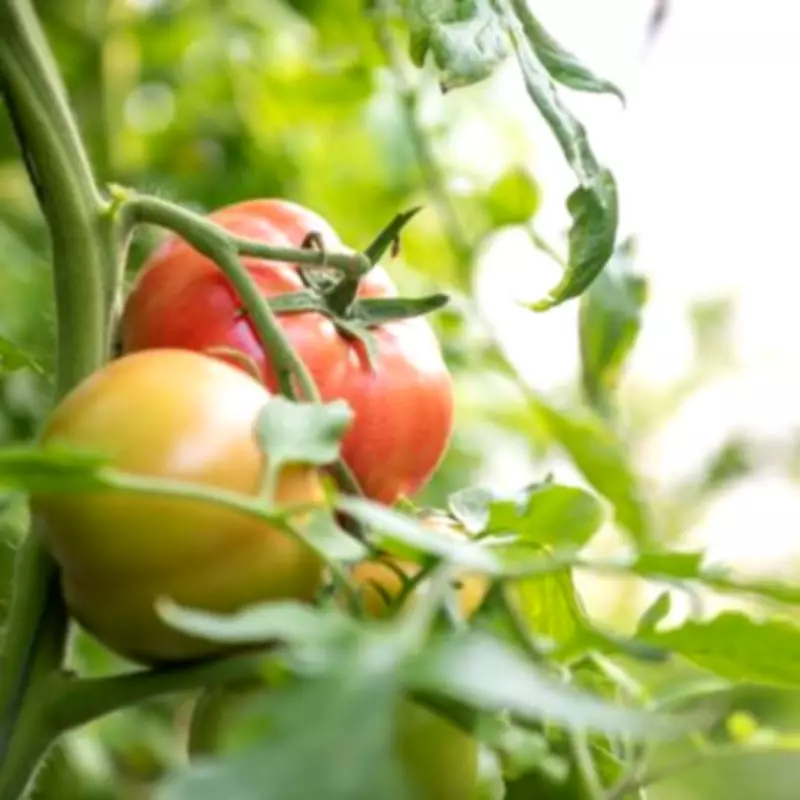
Unlock Bigger, Stronger Tomatoes with This Free Kitchen Scrap
Tomatoes are notoriously hungry plants during their crucial spring growth phase, demanding precise nutrients to develop properly and produce abundant summer harvests. Without adequate feeding, tomato stems become thin and fragile, ultimately failing to support the weight of developing fruits and resulting in disappointing yields.
The Coffee Grounds Revelation
Shane Genziuk, founder of Ground to Ground and gardening authority, has unveiled an incredibly simple, cost-free method to supercharge tomato stem development using a common household item: used coffee grounds. "You can cultivate lush, beautiful tomato plants using all-natural ingredients found at home," Genziuk explains. "Namely, coffee grounds."
These discarded coffee remnants serve as exceptional natural fertilizer, packed with nutrients that promote vigorous plant health. Coffee grounds are particularly rich in nitrogen, the essential element crucial for robust foliage and stem development during spring growth periods.
Multiple Benefits Beyond Fertilization
The advantages of coffee grounds extend far beyond simple nutrient provision:
- Soil Enhancement: Coffee grounds help create mildly acidic soil conditions, which tomatoes prefer for optimal growth.
- Natural Pest Control: The potent, bitter aroma and acidic nature of coffee grounds effectively deter slugs and insects that typically target tomato plants.
- Worm Attraction: Unlike harmful pests, coffee grounds attract beneficial earthworms that improve soil structure and fertility.
Proper Application Techniques
While coffee grounds offer tremendous benefits, moderation proves essential. Excessive application can cause nitrogen overload, resulting in disproportionate foliage growth at the expense of fruit production. Genziuk recommends using between half a cup and one full cup of used coffee grounds per tomato plant.
Application method:
- Scatter coffee grounds around the base of each plant, maintaining a small gap from the stem itself.
- Gently work the grounds into the topsoil using your fingers or a small tool.
- Water thoroughly after application to help incorporate nutrients into the soil and reach plant roots.
Since coffee grounds function as slow-release fertilizer, monthly applications during spring provide continuous nourishment throughout the growing season. "If you're seeing some effect but want more," Genziuk advises, "you can always add additional coffee grounds gradually. Soil conditions, climate, plant size, and other factors all influence results."
Timing Is Everything
April represents the critical window for tomato stem development, when plants focus energy on building the main structure that must eventually support heavy fruits. Proper feeding during this period ensures stems grow thick and sturdy, capable of storing sufficient energy to produce large, juicy tomatoes throughout summer months.
This kitchen scrap solution demonstrates how sustainable gardening practices can yield impressive results without expensive commercial products, turning everyday waste into valuable garden resources while promoting healthier, more productive tomato plants.