
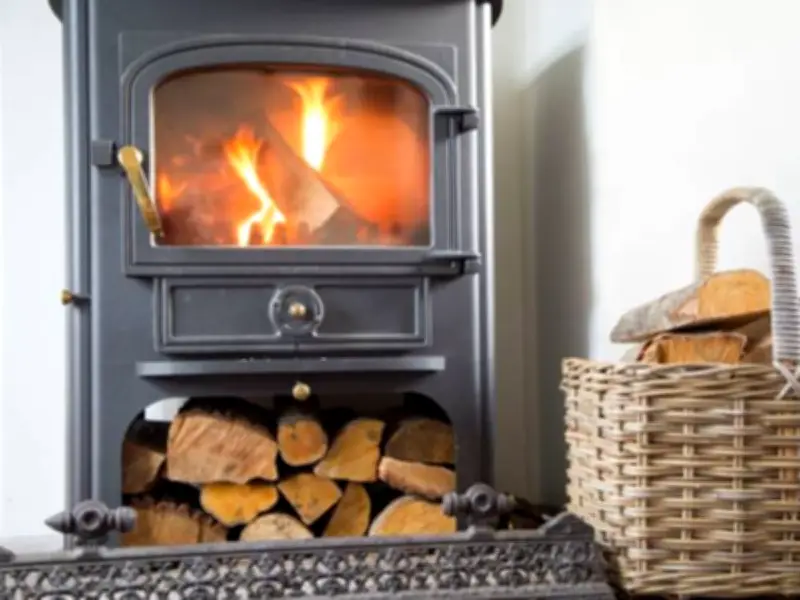
UK households with log burners and wood burners face a £300 fine for breaking key Department for Environment, Food and Rural Affairs (DEFRA) rules. Wood burners are not banned in the United Kingdom, but their use is regulated to reduce air pollution.
Smoke Control Areas and Fines
In smoke control areas, residents must use approved appliances and fuels that meet emissions standards or face a fine of between £175 and £300. In such areas, only fuels on the list of authorised fuels or specific smokeless fuels can be burned, unless using a DEFRA-approved appliance. These smokeless fuels include anthracite, semi-anthracite gas, low volatile steam, or coal.
Birmingham's Smoke Control Status
Birmingham has been designated a smoke control area under the Clean Air Act since 1985. This designation helps improve air quality in the city. The Environment Act 2021 amended the Clean Air Act, leading to a new smoke control order.
The Smoke Control Order 2025
The Smoke Control Order 2025 came into force on 23 March 2026. This order replaces and revokes all earlier smoke control orders. The new order extends the rules to include moored vessels. This means residents and canal boat users can only burn authorised fuels in an open fireplace or wood in an exempt appliance. It is illegal to burn coal in Birmingham.
Air Quality Domestic Solid Fuels Standards
The Air Quality Domestic Solid Fuels Standards set limits on which fuels can be sold for home burning. Firewood sold in units of less than 2 cubic metres must be certified by the Ready to Burn Scheme. The certification details and scheme logo must be attached to the packaging and clearly displayed at the point of sale.
If firewood is sold in units of more than 2 cubic metres, customers must be given information explaining how to dry, store, and check the moisture content of the wood before use, according to Birmingham City Council.
All manufactured solid fuels must be certified by the Ready to Burn Scheme, with certification details and logo attached to packaging and displayed at the point of sale. Fuels that do not require certification include coffee logs, olive logs, wine logs, and fuels mostly made of wheat husks, straw, miscanthus, bamboo, or compressed food waste.