
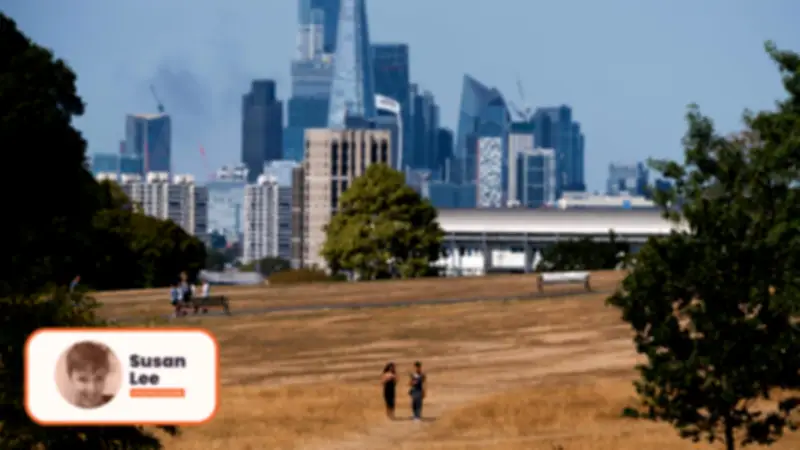
Heatwaves have ceased to be a topic of cheerful conversation at the bus stop. As the country staggers under scorching temperatures and shortages of electric fans, the reality of climate change has become stiflingly commonplace. This summer is on course to be the UK’s hottest since records began, and with it come drought, risks to the food supply, the NHS under strain, water shortages, and wildfires. The threat is no longer a distant possibility but a present reality, and we all have to get on board to try to offset it.
From Fun to Frightening: The Shift in Perception
Remember when heatwaves were fun? We used to ooh and ahh as the weather presenter told us the thermometer was due to hit 25 degrees for three days straight. Three days! That would trigger a run on Hawaiian Tropic and enough lolly ices stuffed in the freezer to rival the Polar ice cap. There would be jolly ‘Phew! What a scorcher!’ headlines in the press, happy reminiscences of 1976 tar bubbles and stand pipes, and amusing TV clips of dogs in silly hats keeping cool. Well, no one’s laughing now.
Heatwaves have become stiflingly commonplace, no longer a matter to discuss at the bus stop with smiles and the reassurance that “we’ll miss this in November.” I can’t remember when I last wore a coat or took a brolly with me, or even checked a weather app. This is not a good thing. Because if heatwaves are becoming part of our lives, so too will be their effects.
The Science Was There: Met Office Report from 1998
Back in 1998, the Met Office released a landmark report detailing the impact of climate change on the UK. Modelling showed higher temperatures, a drying out of large areas of the country but heavier winter rains. Yet today, water companies in areas affected by drought seem surprised by the fact they’ve had to introduce water restrictions. Did they not pay attention to the science 20 years ago? Did no one think about building more reservoirs to prepare for what was coming down the line? Or did driving profit for shareholders take precedence over planning?
The companies weren’t on their own, of course; plenty of others stuck their heads in the sand – or looked the other way at those shiny pound signs – at the mention of climate change. Even today there are folk who think global warming is all nonsense. But look out the window at the parched grass and the dead plants. Listen to the anxious farmers and those tackling wildfires. The threat is now a reality.
Future Generations Will Suffer If We Don't Act
We used to say that this weather was great for the kids, especially during school holidays. But it’s not, not really, because if we don’t get our act together it will be future generations that will truly suffer. We need to leave them the planet, not the problem.
High Streets Need Reimagining, Not Nostalgia
There is a scene in the movie Brief Encounter when Celia Johnson’s character “pops into town” to do some shopping. She heads to the greengrocer, chemist and a clock shop with no vape or betting shop in sight. But that was in 1945 and the past is a foreign country. Andy Burnham has announced more powers for councils to try to get our high streets vibrant again. Too many, he says, have been “hollowed out” and are unrecognisable. Our high streets have been battered by online shopping and changing consumer habits and even by dodgy businesses.
But those who think we can return to the good old days of fishmongers, butchers and clock shops are wrong. We shouldn’t go backwards. Our high streets need to be reimagined as places not just to buy stuff but also to experience things - lunch, coffee, a workshop, a film, a play. We can preserve the high street we had on film; we must create the one we want today.