
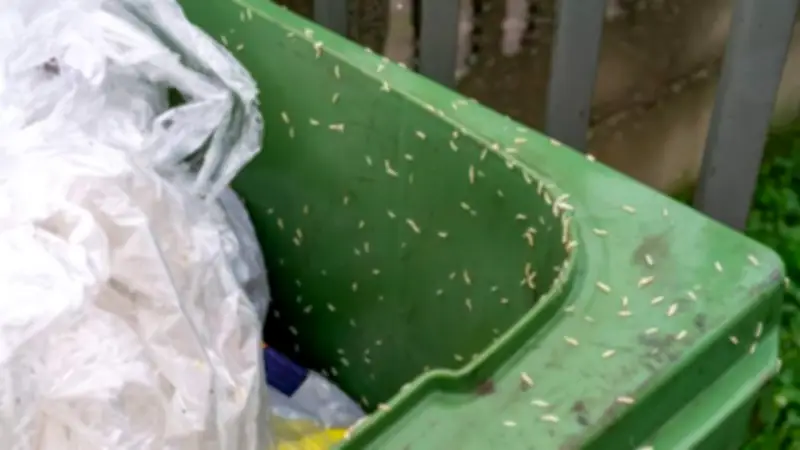
Households across the nation have suffered fly infestations of near-biblical proportions this summer, with maggots appearing in wheelie bins as warm weather creates the perfect breeding conditions. The surge in housefly numbers has left many residents wondering where these pests come from and how to reduce their numbers.
Flies are drawn to decomposing food, rubbish and damp conditions, which makes wheelie bins an ideal breeding ground for their larval form, maggots. While maggots are a favourite of anglers and are occasionally used in medicine to treat wounds, finding them in your bin is an unwelcome surprise for most households.
Pet food waste attracts flies
According to Ashley, a refuse expert who posts advice on his No.1 Binman account, the problem is often linked to how households dispose of pet food. Uneaten meals from dogs or cats should ideally go straight into the dedicated food caddy to keep pests at bay.
Many households have several bins, including general waste, recycling and food waste. Ashley, who reports via Mia O'Hare for the Express, encouraged households to dispose of pet food with care. He said: "As long as it is only the food. The packaging itself can't be recycled, and it wouldn't go with it in the food waste bin. It wouldn't go in the recycling if it is a pouch; it would go in the general waste bin."
Pet food tends to attract flies due to its strong smell and high moisture levels. Eggs laid directly in pet bowls will hatch rapidly once thrown into warm, dark wheelie bins, leading to infestations that can last for days.
Bag it up and put it out weekly
The self-proclaimed 'UK's No.1 BINfluencer' advised wrapping pet food in small bags before putting it in your food bin to keep everything contained. He warned: "Make sure you put it in a bag before you put it in, because that will stink otherwise. You will get maggots for days. So, bag it up and put it in a compostable bag and in your food waste bin."
Ashley also stressed the importance of regular bin collection. "Make sure you put it out every single week, otherwise you will get the maggots and the smells. It is not worth it," he warned. Regular disposal prevents the build-up of food waste that attracts flies and allows maggots to develop.
Check local council rules
Ashley encouraged households to verify the rules with their local council, as they vary by location. He said: "Your council may be different, so check. But most councils will let you put your dog or cat food waste in the food waste bin."
By following these steps—bagging pet food, using the correct bin, and ensuring weekly collection—households can significantly reduce the risk of maggot infestations in their wheelie bins this summer.