
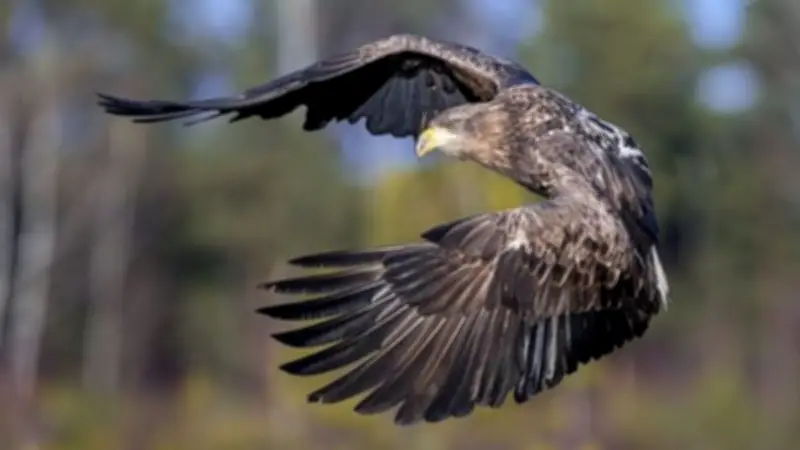
Six juvenile white-tailed eagles have been released into Exmoor National Park, marking a historic milestone in the restoration of the species to the South West of England. These magnificent birds, which boast wingspans of up to eight feet, were driven to local extinction by human persecution in the 18th century. Their return brings Britain's largest bird of prey back to local skies after more than 200 years of absence, offering a powerful symbol of how native wildlife can recover when given the chance.
The initial group represents the beginning of a broader conservation effort, with up to 20 more eagles expected to join them over the next three years. Tracking data has already revealed that the area provides an ideal coastal habitat for hunting and nesting, as these young birds mature into breeding adults. Seeing these vast creatures soaring over Somerset and Devon serves as a striking reminder of the resilience of nature when supported by dedicated conservation work.
Careful relocation from Scotland
The birds were carefully collected under licence from wild populations in Scotland before being transported south to acclimatise to their new environment. Experts chose Exmoor after tracking data revealed that eagles previously released on the Isle of Wight were already visiting the area, indicating its suitability for the species. This strategic selection ensures the birds have the best possible chance of thriving in their new home.
Zoe Smith, from the Roy Dennis Wildlife Foundation, said: "White-tailed eagles would have once been a common natural sight across the south-west of England. After so many years absent from this landscape, it is a special moment to be returning them to Exmoor. We will closely monitor their progress as they explore and, in time, begin to settle across this region." Her words underscore the significance of this release, not just for conservationists but for the entire region's ecological health.
Community support and ecosystem impact
Local steering groups and public consultations were established in advance to ensure community support for the long-term project. This collaborative approach has been crucial in building a foundation for the eagles' successful integration. Officials hope that the presence of this top predator will strengthen both marine and land ecosystems across the national park, creating a more balanced and resilient environment.
Ali Hawkins, senior ecologist with Exmoor National Park Authority, said: "This is such an exciting moment for Exmoor and a real boost to biodiversity in the national park, as white-tailed eagles play a crucial role in both marine and land-based ecosystems." Her comments highlight the ecological importance of the release, which goes beyond the symbolic return of a majestic bird.
Future releases and national commitment
Up to 20 more young birds will be released from the Exmoor location over the next three years, while releases will continue from the Isle of Wight, ensuring a sustained effort to establish a viable population in the region. The latest release was welcomed by new Environment Secretary Angela Eagle, who said: "Majestic white-tailed eagles – a particular favourite of mine – are once again soaring above Exmoor and the Isle of Wight, reflecting this Government’s commitment to reversing the decline of nature and protecting it for generations to come."
This release is part of a wider trend of successful wildlife restoration projects across the UK. Record numbers of Britain's tallest bird have also made a comeback from extinction, and rare giant otter pups have been reported 'healthy and thriving' at Chester Zoo. These success stories demonstrate the potential for positive change when conservation efforts are prioritised and supported.