
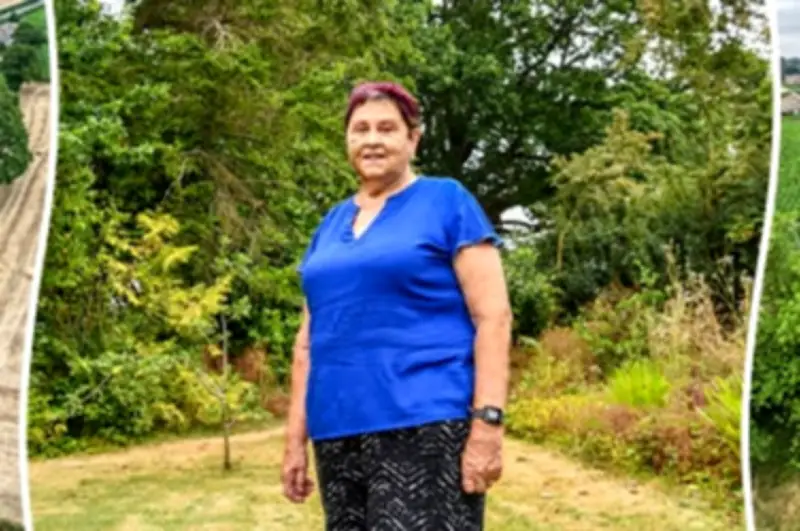
A 79-year-old widow has refused a £4.5 million offer for her garden to prevent the construction of a bypass that would destroy a 500-year-old oak tree on her property in Birmingham. The woman, who wishes to remain anonymous, has been locked in a dispute with transport officials over the proposed road, which would cut through her land and fell the ancient tree.
The Bypass Plan and the Tree
The bypass is part of a major transport scheme aimed at alleviating congestion on the A435 in south Birmingham. However, the route would require the removal of the veteran oak, which is estimated to be around 500 years old and predates the Tudor period. The tree is not currently protected by a Tree Preservation Order, but the widow has vowed to fight its removal.
Widow's Stand
“I’m not doing this for the money. I’m doing it for the tree and for nature,” the widow said. “This tree has been here for centuries, long before any of us. It’s a living piece of history, and I cannot let it be destroyed for a road.” She has rejected the £4.5 million compensation offer from Transport for West Midlands (TfWM), which would have allowed the bypass to proceed.
Community and Environmental Support
Local residents and environmental groups have rallied behind the widow. A petition opposing the bypass has garnered over 2,000 signatures. Campaigners argue that the tree is a vital part of the local ecosystem and heritage. “This oak is irreplaceable. Once it’s gone, it’s gone forever,” said a spokesperson for the Birmingham Wildlife Trust.
Transport Authority's Position
Transport for West Midlands has stated that the bypass is essential for improving traffic flow and reducing pollution in the area. A spokesperson said: “We understand the strength of feeling about the tree, but the scheme has been carefully designed to balance the needs of the community with environmental considerations. We remain open to dialogue with the homeowner.” The authority has not yet confirmed whether alternative routes were considered.
Legal and Planning Implications
The widow’s refusal could delay or even halt the project. Under planning laws, compulsory purchase orders may be used, but the process is lengthy and contentious. The case highlights the tension between infrastructure development and heritage conservation in the UK. The tree’s age makes it a potential candidate for a Tree Preservation Order, which would offer legal protection.