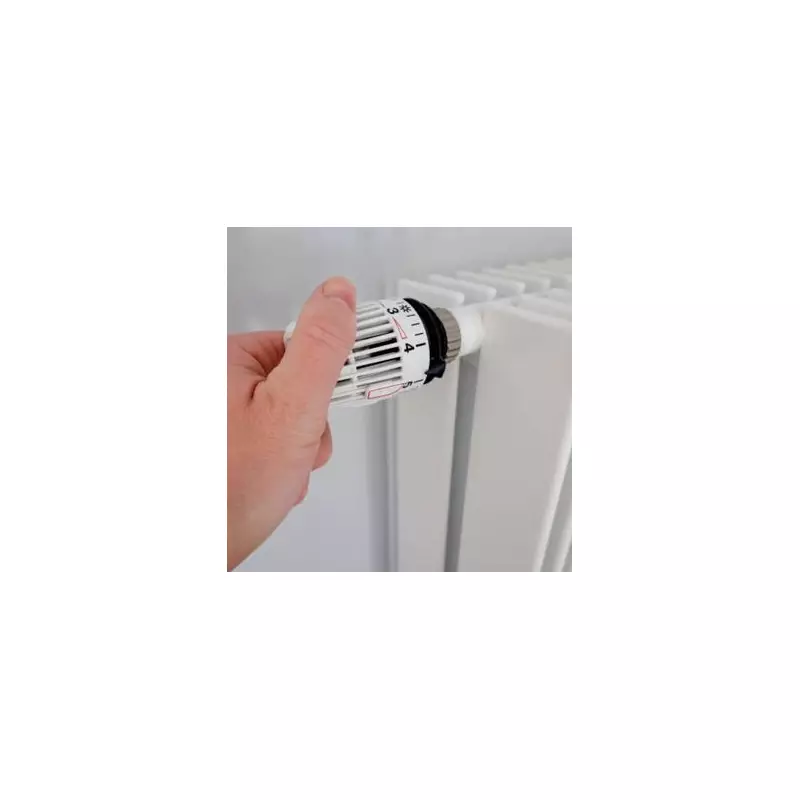
A leading heating expert has issued a stark warning to households across the UK, revealing that a common winter habit could be unnecessarily inflating energy bills by as much as £55 every year.
The Costly Convenience of Radiator Drying
Gordon Wallis, from heating oil supplier Your NRG, has urged people to immediately stop the widespread practice of draping wet laundry over their radiators. While it may appear to be a quick and convenient solution, especially during colder months, this method is surprisingly inefficient and costly.
"Drying clothes on radiators might feel like a convenient solution, but it can actually cost you more in the long run," Gordon explained. He highlighted that this mistake could increase your annual energy bills by up to £55. The problem lies in physics: when damp clothes block a radiator, the heat cannot circulate properly to warm the room. This forces your boiler to work harder and for longer, wasting energy and money.

Hidden Dangers: Mould and Health Risks
The financial impact is only one part of the problem. Wallis also pointed to significant household health risks. "Excess condensation from this method can promote mould growth, potentially causing damage to paintwork and triggering allergens," he said. This creates a damp environment where mould spores can thrive, posing a particular threat to those with respiratory conditions like asthma.
Smart, Efficient Alternatives for Indoor Drying
Fortunately, there are several effective and economical strategies to dry clothes indoors without resorting to radiators. Gordon Wallis recommends a multi-pronged approach:
- Maximise Natural Light and Airflow: Position clothes airers near a window to utilise sunlight and natural ventilation. Periodically turn garments over to ensure they dry evenly.
- Use Hangers Wisely: Hanging shirts and blouses can reduce creases and improve air circulation around the fabric.
- Optimise Your Washing Load: Avoid overcrowding the washing machine. Washing fewer items per load allows for better spin efficiency and quicker drying times, reducing the risk of damp, musty smells.
- Freshen Fabrics Naturally: Adding a few drops of lavender oil to your fabric conditioner can help combat unwanted odours, keeping clothes fresh without extra drying time.
"By adopting these simple yet effective tips, homeowners can optimise their indoor drying process while minimising energy consumption and maintaining a comfortable living space," Wallis advised.
Keeping Your Heating System Efficient
The expert also emphasised general radiator maintenance as a key factor in controlling energy costs. Simple tasks like bleeding radiators to release trapped air and ensuring they are not obstructed by furniture or curtains can significantly improve their efficiency, making your heating system cheaper to run.
Ultimately, breaking the radiator-drying habit is a straightforward change that can lead to substantial savings, a warmer home, and a healthier indoor environment free from damp and mould.