Millions of households across Britain are set for higher energy costs from the start of the new year, as the regulator Ofgem implements an increase to its price cap. Customers of major suppliers including British Gas, EON, EDF, OVO, and Octopus Energy have effectively been given a 48-hour warning about the change, which takes effect from Thursday, 1 January 2026.
What the New Ofgem Price Cap Means for Your Bills
The adjustment sees the cap rise by £3 per year for a typical household. Ofgem confirmed that between 1 January and 31 March 2026, the energy price cap will be set at £1,758 per year for a dual-fuel household paying by direct debit. This represents a slight increase of 0.2% from the previous cap of £1,755, which was in place from 1 October to 31 December 2025.
Financial expert and broadcaster Martin Lewis provided crucial clarity on what the cap actually does. "The price cap sets a limit on the maximum amount suppliers can charge for each unit of gas and electricity you use, and sets a maximum daily standing charge," he explained. He emphasised that there is no upper limit on your total bill; if you use more energy, you will pay more. The cap only applies to standard variable and default tariffs, not to fixed-term deals.

Who Will Be Affected by the Change?
The change directly impacts customers on variable-rate tariffs, which are often the default option for those who haven't switched recently. Energy firm OVO stated: "Most customers on a variable tariff will see their annual costs go up on 1 January, in line with the new price cap." They added that affected customers would be notified directly.
For those on fixed-rate tariffs, the price cap adjustment brings no immediate change. Their rates are locked in until the end of their fixed-term contract. This distinction highlights the importance of consumers understanding which type of tariff they are currently on.
Understanding the Components of Your Bill
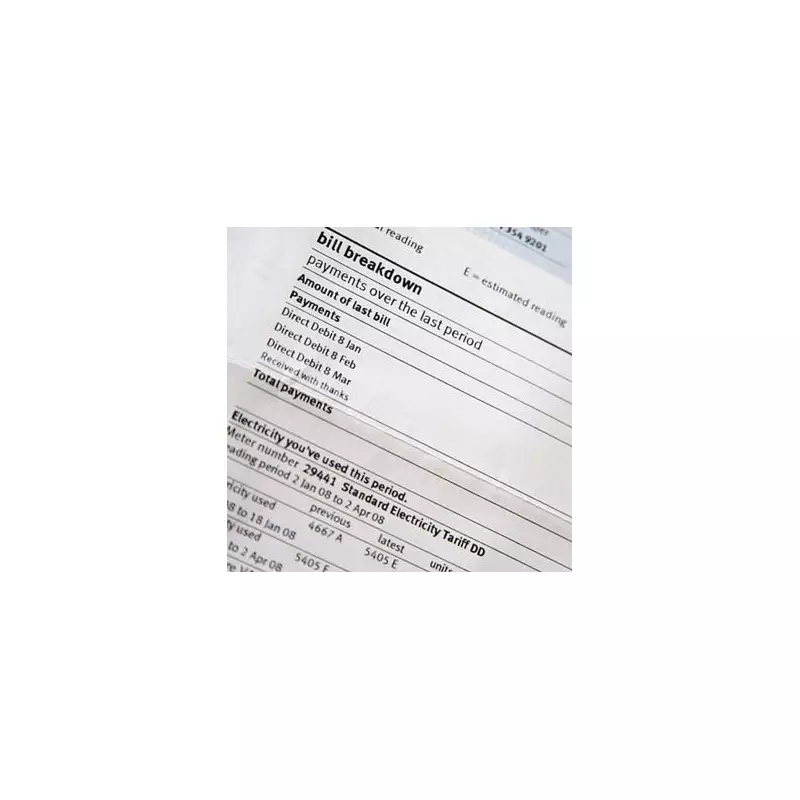
The Ofgem cap works by limiting two key components of an energy bill:
- The unit rate: The price you pay for each kilowatt hour (kWh) of gas and electricity you consume.
- The standing charge: A fixed daily fee that covers the cost of being connected to the energy network, including infrastructure maintenance.
Martin Lewis reminded consumers that "each price cap only lasts three months," indicating that further reviews and potential changes will follow in April 2026. The standing charge is particularly contentious, as it is a fixed cost applied regardless of energy usage.
With the increase now confirmed, the advice for consumers remains consistent: understand your tariff, monitor your usage, and consider your options when your current deal ends to ensure you are not paying more than necessary for your gas and electricity.