Reducing energy bills remains a top priority for millions of households as families continue to look for ways to manage rising living costs. Experts say even relatively small improvements to a property can lead to significant savings over time, particularly for those living in social housing, renting privately or on lower incomes.
Government Strategy: Warm Homes Plan
The Government is seeking to address the issue through its wider home energy efficiency strategy, set out in the Warm Homes Plan launched earlier this year. The programme aims to upgrade properties across the country, making them cheaper to run while also cutting carbon emissions. Simon Bones, a sustainability expert and founder of retrofit company Genous, said the initiative could play a key role in reducing household costs. "The plans aim to make homes in Britain more efficient, with lower energy costs and lower emissions," he said. Here is everything you need to know about the scheme, how it affects you and how to get involved.
Free Upgrades
Under the plan, around three million homes are expected to be improved by December 2030. This includes 1.3 million social homes, which will be upgraded directly by social landlords, and another 1.7 million properties funded entirely through the Warm Homes Plan. Tenants and homeowners included in the scheme will be offered tailored upgrades free of charge. "One shift from previous energy-saving policies is a move away from a 'fabric-first' approach (insulation); and more to technology (solar panels, batteries, heat pumps)," Bones explained. "Albeit some loft and cavity wall insulation is continuing to be deployed in these properties, as these tend to be the best payback forms of insulation."

Big Grants
For households not eligible for free upgrades, financial support is available through schemes such as the Boiler Upgrade Scheme. "The Scheme, which offers £7,500 for most new heat pump installations (and from July will temporarily increase to £9,000 for qualifying LPG and heating oil conversions) is the main non-means-tested subsidy available," said Bones. He noted that recent changes to planning permission have also made retrofitting easier for non-protected homes, though listed buildings or those in conservation areas 'still have to jump through hoops'. The Government has also committed £2bn to support low-cost eco loans, though these are not yet live and clarity is lacking on how they will work in practice, reports PA.
"Lowering the cost of finance is key," said Bones. "An 'intelligent retrofit' can typically generate 10% post-tax returns, which is great if you have savings or can borrow on your mortgage. But a standard personal loan to fund this would eat up most of the returns."
With a typical full retrofit costing between £10,000 and £20,000, Bones said that the current market is largely restricted to cash-rich homeowners. Aside from money, finding a reliable installer is the other major hurdle. While some modern retrofit companies use sophisticated digital simulations to map out the best upgrades, Bones warned that 'many homeowners are still in the dark about what to do, and how to get it done'.
Tighter Rules
Energy rules are also tightening across the wider housing market. The upcoming Future Homes Standard dictates that all new homes built from 2027 must be 'net zero carbon-ready'. This adds stringent insulation requirements and ensures that air-source heat pumps and significant solar panel systems are standard features. While new-build volumes account for only about 1% of the total UK housing stock each year, those moving into brand-new homes will enjoy much lower running costs.
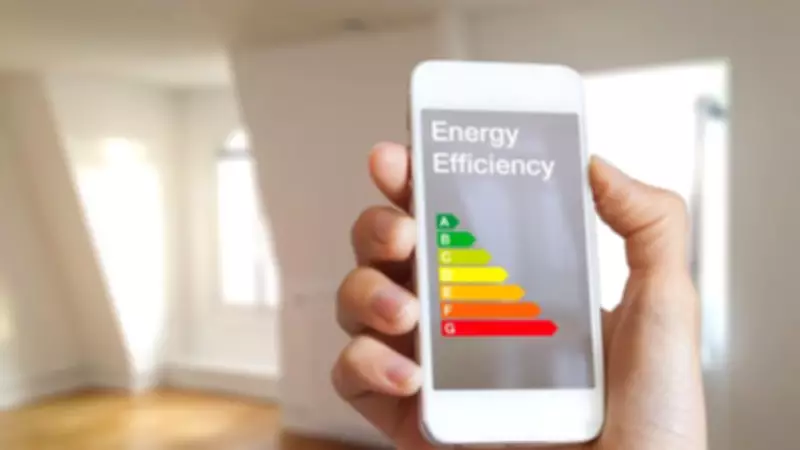
Meanwhile, the private rental sector faces a major shake-up. By October 2030, private rental properties must hit a minimum Energy Performance Certificate (EPC) rating of C to be legally let out - a big jump from the current EPC E minimum standard. "Though the exemptions are pretty extensive, this is likely to lead to a significant landlord upgrade programme over the next four years," Bones warned.
Your Next Steps
Your next steps depend entirely on your living situation:

- If you are a tenant (social or private): Look up your property's current EPC rating online. If it is a D or below, your home is considered inefficient. Contact your landlord or housing association directly to ask what their upgrade plans are under the new regulations.
- If you are a homeowner: You can use a dedicated retrofit provider to map out your property's potential savings and payback periods. Whether you opt for quick, low-cost tweaks or a whole-home overhaul will depend entirely on your budget and willingness to tolerate a bit of building disruption.
"As to finance, self-funding is the best option if it's open to you and payback can often be strong, immediate, and non-taxable," Bones said. "But if you have a mortgage, it's also well worth checking for green improvement deals with your provider. Most of them don't publicise these, but some offer cashback on specific energy improvements or low-cost borrowing rates."
"Energy efficiency matters to your home budget and the UK's carbon budget. With better technology, advice and capability than ever before and with the backing of the Government, now's the time to get involved," he concluded.