National Nestbox Week Highlights Critical Need to Support Urban Birds
As Britain celebrates its status as a nation of bird lovers, National Nestbox Week brings urgent attention to the growing challenges facing our feathered friends. Urban environments are increasingly lacking natural nesting holes due to the loss of trees, traditional borders, and suitable habitats. This makes supporting avian visitors more critical than ever for maintaining healthy bird populations across the country.
Choosing the Perfect Nestbox for Different Bird Species
The team at British Garden Centres has compiled an essential guide to help gardeners select appropriate nestboxes that cater to specific bird needs. Not all nestboxes serve the same purpose, and choosing correctly can determine which species visit your garden.
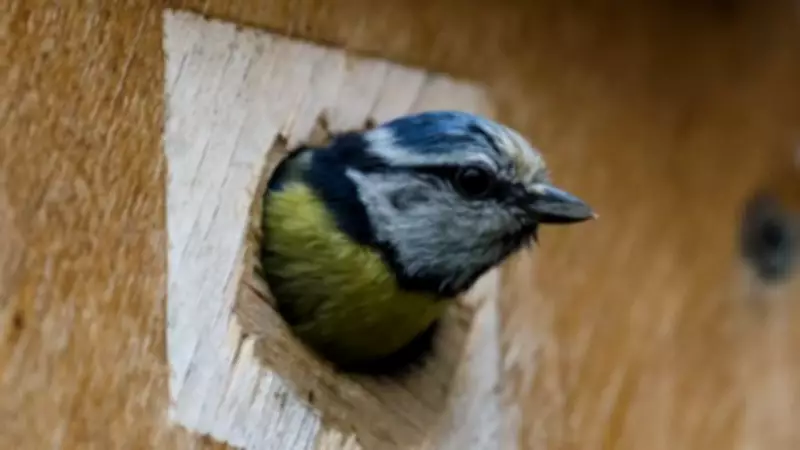
Nestboxes generally fall into two primary categories: those with entrance holes that provide protection from predators, and open-fronted boxes that appeal to different bird families. For smaller birds like tits, nuthatches, redstarts, and sparrows, look for boxes with entrance holes measuring 25-28mm. Larger species such as starlings, doves, jackdaws, and blackbirds require more spacious 45mm openings. Open-fronted boxes particularly attract robins, wrens, wagtails, and song thrushes.

Material Selection and Construction Considerations
Material quality significantly impacts nestbox effectiveness in Britain's unpredictable weather. Choose boxes made from insulating materials like wood with walls at least 15mm thick to provide proper thermal protection. The internal floor should measure a minimum of 130 square centimetres to offer ample nesting space.
Essential design features include drainage holes in the bottom to prevent water accumulation and a sloped roof that directs rainwater away from the interior. These elements work together to keep nesting chambers dry and comfortable throughout the breeding season.
Strategic Positioning for Maximum Safety and Attraction
Proper placement is crucial for nestbox success. Mount boxes high up on walls, tree trunks, fences, or pergola posts to protect birds from ground predators like cats. Boxes with entrance holes perform best when positioned approximately 3 metres high in trees, ideally camouflaged by surrounding foliage.
Open-fronted boxes can be placed at head height for easier observation. Avoid direct sunlight by facing nestboxes north or east, and ensure adequate spacing between multiple boxes to prevent territorial conflicts among nesting birds.
Essential Maintenance for Healthy Bird Habitats
Regular cleaning prevents disease transmission and ensures nestboxes remain inviting year after year. October or November represents the ideal time for maintenance after the breeding season concludes.
Select boxes with accessible roofs or side hatches for easy cleaning. Always wear rubber gloves and use boiling water to sanitize interiors thoroughly. Compost any old nesting material discovered during cleaning, and inspect boxes carefully for damage that might require repairs.
Important reminder: Never disturb active nests during breeding season, as this can cause parent birds to abandon their eggs or chicks.
Creating a Comprehensive Bird-Friendly Garden Environment
Installing nestboxes represents just the first step in developing a sanctuary for birds. Multiple strategies can transform your outdoor space into a thriving habitat.
Plant native hedging like hawthorn and holly that provide natural nesting sites and food sources. Include berry-producing shrubs for autumn nutrition and sunflowers that offer natural feeding opportunities. Supplementary feeding throughout the year supports birds' nutritional needs, particularly during demanding breeding periods.
Hang feeders containing sunflower hearts, mealworms, suet products, and peanuts to attract diverse species. Maintain a shallow, regularly cleaned birdbath to provide essential water for drinking and feather maintenance.

Reducing Hazards and Enhancing Natural Elements
Minimize dangers by applying window decals to prevent collisions, keeping cats indoors during dawn and dusk when birds are most active, and avoiding pesticides that harm birds and their food sources. Create wild areas by leaving seed heads standing, building log piles, and allowing lawn patches to grow longer to encourage invertebrates that nestlings depend on for nourishment.
Expert Perspective on Making a Meaningful Difference
Paul Williams, bird care buyer at British Garden Centres, emphasized the importance of community involvement: "National Nestbox Week presents the perfect opportunity for people to make a real difference to local bird populations. Engaging with nature and helping garden birds live healthy lives represents an important aspect of our living environment."
Williams added: "Introducing a nestbox to your garden can significantly improve a bird's quality of life and is just as essential as providing feeders or bird baths in your outdoor space. These small actions collectively contribute to conservation efforts across urban landscapes."