Spring Amphibian Activity Surges on Sefton Coast as Climate Changes
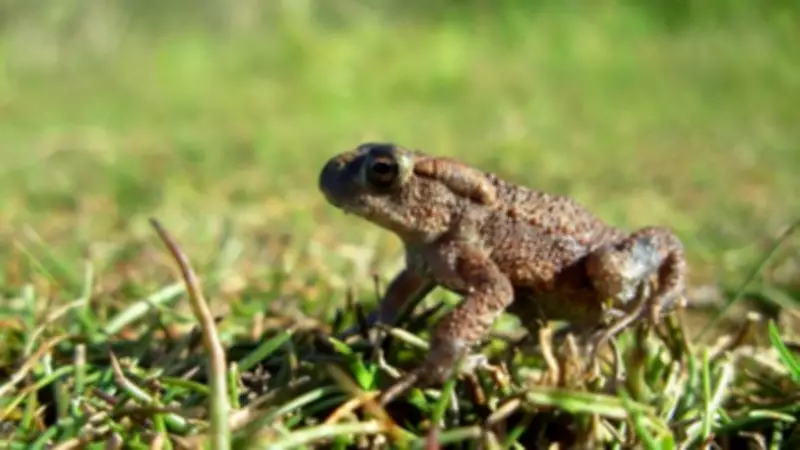
Each day brings clearer signs of spring, from extended daylight to blooming wildflowers and more vocal songbirds. On the Sefton Coast, one of the most anticipated indicators is the heightened activity among the amphibians that inhabit this unique area. While the famous Natterjack Toads will begin their atmospheric mating choruses in a few weeks, other species are already stirring.
Early Amphibian Movements and Climate Impact
Natterjacks are not the only amphibians gracing the dunes. Great Crested Newts, Smooth Newts, Common Frogs, and Common Toads become active as winter temperatures rise. In our changing climate, Common Frogs have largely abandoned winter dormancy, with spawn often appearing as early as January. However, late frosts typically hinder successful spawning in natural settings, unlike in sheltered garden ponds where much of the Common Frog population thrives.
Green Sefton, the organization managing the coast, reduces winter habitat management work during this period to minimize disturbance. Visitors are encouraged to keep these incredible creatures in mind, especially when exploring the dunes.

Protecting Fragile Habitats from Dog-Related Damage
With increased amphibian activity, it is crucial for dog walkers to avoid allowing pets to paddle in flooded areas and pools, whether fenced or not. This action causes significant harm to wildlife reliant on these water bodies along the coast. Dogs, though unintentional, create major disturbances to dormant invertebrates at the bottom of shallow pools, and even slight ripples can wash larvae and tadpoles out of the water.
Additionally, many flea treatments for pets contain Fipronil, a powerful insecticide now detected in some coastal pools. This chemical kills pondlife, severely damaging the food chain. Green Sefton emphasizes that habitat damage is a criminal offence under the Wildlife and Countryside Act, 1981.
Balancing Recreation and Conservation
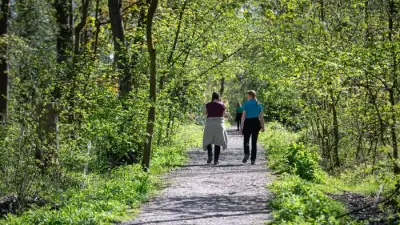
Green Sefton welcomes responsible dog walkers to the Sefton Coast, provided pets are under control, all fouling is cleaned up, and habitats remain undamaged. As a Site of Special Scientific Interest, the coast boasts dazzling biodiversity but is fragile and requires protection. Dog owners are urged to choose routes away from pools and flooded areas and never encourage pets into the water.
With open access to much of this long coastline, it is straightforward to exercise pets while respecting the protected landscape. By following these guidelines, visitors can help preserve the Sefton Coast's natural beauty and ecological value for future generations.