Birmingham Clinic Harnesses Leeches for Modern Wellbeing and Health Revival
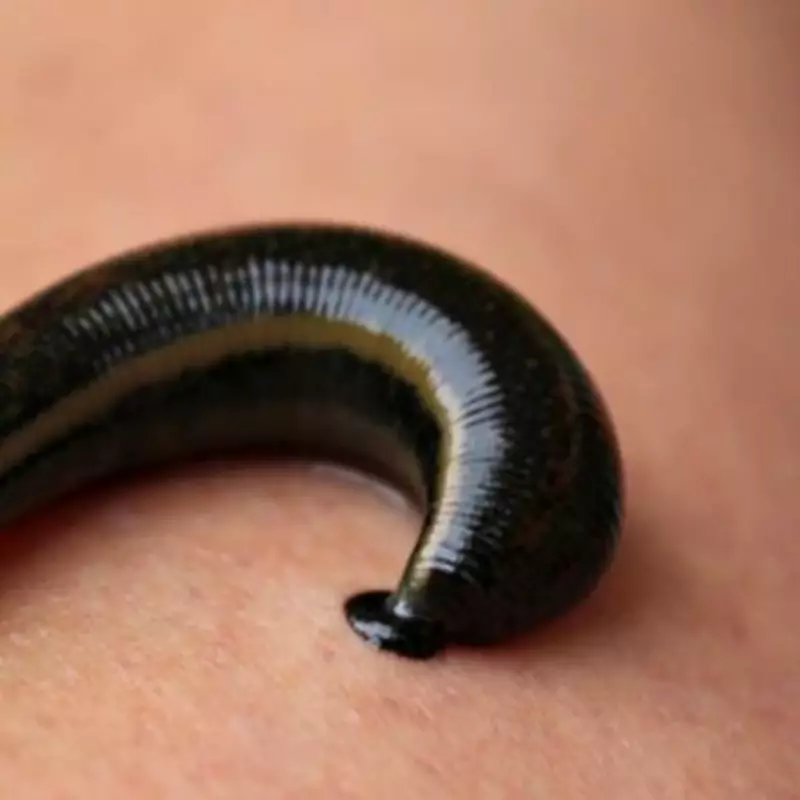
In a surprising twist on wellness trends, a Birmingham clinic is at the forefront of reviving leech therapy, using these blood-sucking parasites to combat modern ailments and boost overall wellbeing. Forget traditional spa treatments like hot stone massages or LED facials; this clinic offers a unique approach that dates back centuries but is gaining new popularity.
The Resurgence of Leech Therapy in Birmingham
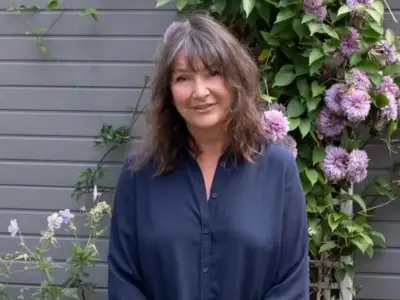
Hundreds of years ago, leeches were a common cure-all for various health issues. Today, they are at the centre of a growing "wellbeing" craze, with the Birmingham Leech Clinic leading the charge. Bridget Croft, the clinic's owner and the country's only registered nurse performing private hirudotherapy, explains the benefits: "Leeches are very good for a whole range of things. They suck a bit of blood – it's not pints – and will be injecting you with all the goodness in their saliva."
She emphasises that leech therapy is about maintaining health and promoting blood flow, making it a holistic approach to wellbeing. The clinic's website highlights its rejuvenating effects, where clients report feelings of vitality and renewed energy after sessions.

Applications and Benefits of Leech Treatments
Leech therapy is used to address various conditions, including:
- Osteoarthritis and gout: Helping to reduce pain and inflammation.
- Skin diseases: Improving circulation and promoting healing.
- Hair loss: Increasing blood flow to the scalp to strengthen hair follicles.
- General pain relief: Offering a natural alternative for discomfort.
Mrs Croft notes that while leeches can aid in these areas, her clinic is not for those with serious medical conditions. She recently directed a thrombosis sufferer to their GP, stressing that hirudotherapy is complementary rather than a replacement for conventional medicine.
Client Experience and Safety Measures
Many clients visit the clinic for the feel-good factor, with some comparing it to a spa experience. Mrs Croft says, "In some areas of Eastern Europe, it's looked on in the same way as going to a spa. I would say 96 per cent of my clients come from other parts of the world originally or their ancestors did."
To ensure comfort and safety, leeches are sourced from a Welsh bio-farm, not wild jungles, and sessions are carefully managed. During the first visit, leeches are attached for only an hour, with longer durations in follow-ups. Mrs Croft explains, "It's a bit like a mosquito bite, like getting a needle and tapping your leg with it. After a minute that finishes and you don't feel anything." The leeches' saliva contains a natural anaesthetic, minimising discomfort.
Historical Context and Global Perspective
Leech therapy has never fully disappeared, remaining popular in regions like the Middle East and Eastern Europe, including Poland, Germany, Russia, and Ukraine. Over the last 20 years, scientific understanding has improved, leading to a rediscovery of their healing properties. Hospitals have also begun using leeches for specific medical purposes, though not as a general therapy tool.
Mrs Croft concludes by praising leeches as "wonderful little creatures," despite their bloodthirsty reputation. With a focus on client care and education, the Birmingham Leech Clinic is helping to demystify this ancient practice for a modern audience seeking alternative paths to health and wellbeing.