Art Therapist's Cherished Palette to Accompany Her in Retirement After 26 Years at Hospice
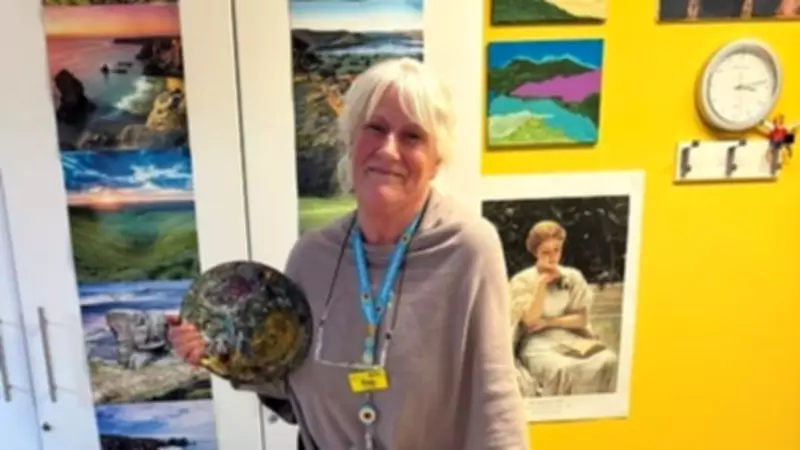
As art therapist Fay Mitchell prepares to retire from East Cheshire Hospice at the end of the month, there is one treasured possession she will absolutely not leave behind. Her trusty paint palette, purchased when she was an art student, will accompany her as she bids an emotional farewell after 26 dedicated years of service.
Fay Mitchell stated emphatically: "I've had the palette everywhere I've worked for the last 41 years so that's staying with me. It has huge sentimental value because every patient who has engaged with art therapy at the Hospice for the last 26 years has used that palette if they've painted with acrylics."
A Palette Rich with Memories and Therapeutic Value
The palette will have pride of place in her home, serving as a constant reminder of her work and the many wonderful patients who have used it over the decades. Fay's career foundations were laid with degrees in fine art, which led her to become a highly trained art psychotherapist working for charities and in educational settings, where she also helped guide the next generation of professionals.

She initially joined the Hospice as a day care therapist and activities organiser before focusing exclusively on art therapy. "Initially, I'd see outpatients in my art psychotherapy role and would garden, bake and do crosswords and arts and crafts with patients," Fay recalled of her early days.
The Therapeutic Process Over Artistic Skill
In her role, Fay utilizes drawing, painting, and sculpting to offer reassurance and support to patients, emphasizing the therapeutic process far more than artistic skill. Despite this focus, many patients have discovered hidden creative talents through these sessions, with their creations often being proudly displayed in their own homes.
Fay explained the connection art fosters: "Art helps make a connection with patients. We're perceived to be non-clinical, but we are. Patients are also well supported by health care professionals in our Sunflower Living Well Centre and each art therapy session lasts an hour at most as they're trying to cope with their illness."
Reflections on a Privileged Career and Future Opportunities
She described working at the hospice three days a week as a privilege, though she acknowledged the job demands significant energy. "I'm mindful that art therapy jobs are hard to come by and I like the idea of someone younger with energy having this wonderful job since it's a lovely place to work," Fay noted, highlighting the scarcity of such positions.
"I was No. 600 when I qualified and there's still only 2,500 of us now. I was lucky because I received grants. Employers tend to prefer more mature therapists, though there's a financial consideration for those slightly older who may have a mortgage, family and student debt," she added, reflecting on the profession's challenges.
Looking Forward to Retirement and Continuing Creativity
In retirement, Fay looks forward to spending more time with her family. Art will undoubtedly remain a central part of her life, with her potter's wheel likely to see almost as much use as her prized palette. The hospice has arranged for Fay's replacement to start work immediately, ensuring continuity of this vital therapeutic service for patients.