Cancer Worker's Handmade Drain Bags Inspire Community Sewing Initiative
A dedicated cancer care professional at Doncaster and Bassetlaw Teaching Hospitals has made an extraordinary contribution to patient recovery by creating more than 400 handmade drain bags for post-surgery patients. Her compassionate project has now blossomed into a full community sewing initiative, with volunteers producing hundreds of additional bags to support those undergoing treatment.
Therapeutic Creation During Difficult Times
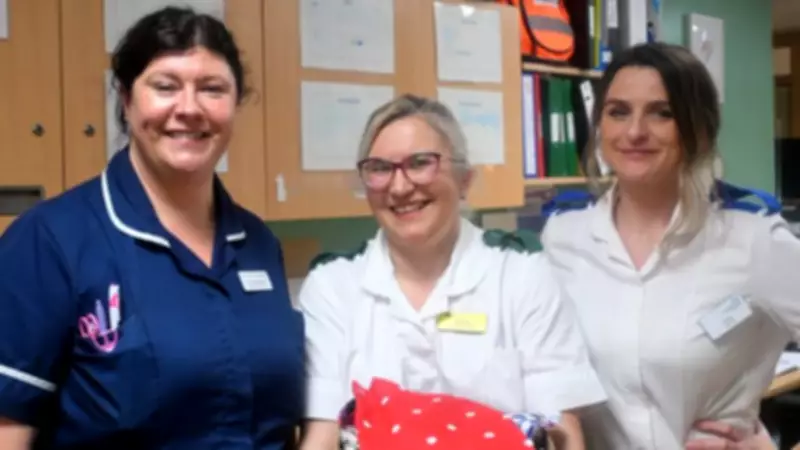
Becky Pettigrew, a Colorectal Cancer Assistant Practitioner at Doncaster Royal Infirmary, began crafting the specialized bags two years ago during a particularly challenging period in her life. "Making the drain bags was like therapy to me," she revealed. Entirely self-funding her project, Becky has invested countless hours creating these practical material bags that help patients carry post-surgery drains more comfortably and securely during their recovery journey.
"I stopped counting at 400," Becky noted about her personal contribution. The bags are specifically designed to improve independence, mobility, and dignity for patients recovering from surgery, often following cancer treatment. One grateful patient, Beverley, who underwent treatment for kidney cancer and later developed a rare thyroid tumour, explained how the bags have transformed her daily routine.
Practical Benefits and Personal Comfort
Beverley shared detailed insights about how the drain bags have improved her recovery experience: "The bag is especially handy when going to the toilet because it has a strap, otherwise you'd have to hold the drain or put it on the sink which is less hygienic. It's also useful when you're washing because you can put it on your shoulder without having to worry about stretching the tube too far."
Beyond their practical function, the bags also provide emotional comfort in clinical environments. Beverley added: "My bag has whales on it and I'm a Pisces. I love the nature and calming designs." This personal touch helps patients maintain their identity and find moments of peace during challenging medical treatments.
Community Partnership Expands Impact
Becky, who has worked at the Trust for 14 years beginning her career in the laundry department, recognized the growing demand for her drain bags across multiple hospital wards and departments. "Over the last year, more departments have contacted me for a supply," she explained. To meet this increasing need, she partnered with Doncaster Hack and Makerspace, creating a collaborative community effort.
In January alone, a group of 13 volunteers created 116 completed drain bags and approximately 100 more partially completed bags. "I'm very pleased with the outcome. The numbers we made would have taken me a couple of months," Becky remarked about the community's impressive productivity. The Doncaster Hack and Makerspace celebrated this achievement on their Facebook page, stating: "This is community making at its best: people sharing skills, giving their time and creating something that will genuinely help others."
Sustainable Materials and Lasting Impact
The simple yet effective design is now being used in introductory sewing workshops at the Makerspace, created from upcycled materials including unwanted bedding and disused hospital curtains. This sustainable approach adds another layer of community benefit to the project. Although Becky has moved past the difficult period that initially inspired her sewing, she continues creating bags because of their profound impact on patients.
"I get the little warm fuzzy feeling when I see a patient wearing one of my, and now our, bags," she shared. The bags continue serving patients even after treatment concludes, with many reusing them at home as peg bags or passing them along to children for other purposes.
Future Goals for Patient Dignity
Becky hopes to secure funding to expand the initiative through the community partnership, with an ambitious vision for the future: "I'd like to be able to offer a bag to each patient who has a drain or similar medical appliance. In the past I've seen drains held up using bandages or safety pins which are adequate solutions but not as dignified as a bag." Her dedication to improving patient dignity and comfort continues to inspire both healthcare professionals and community volunteers throughout the region.