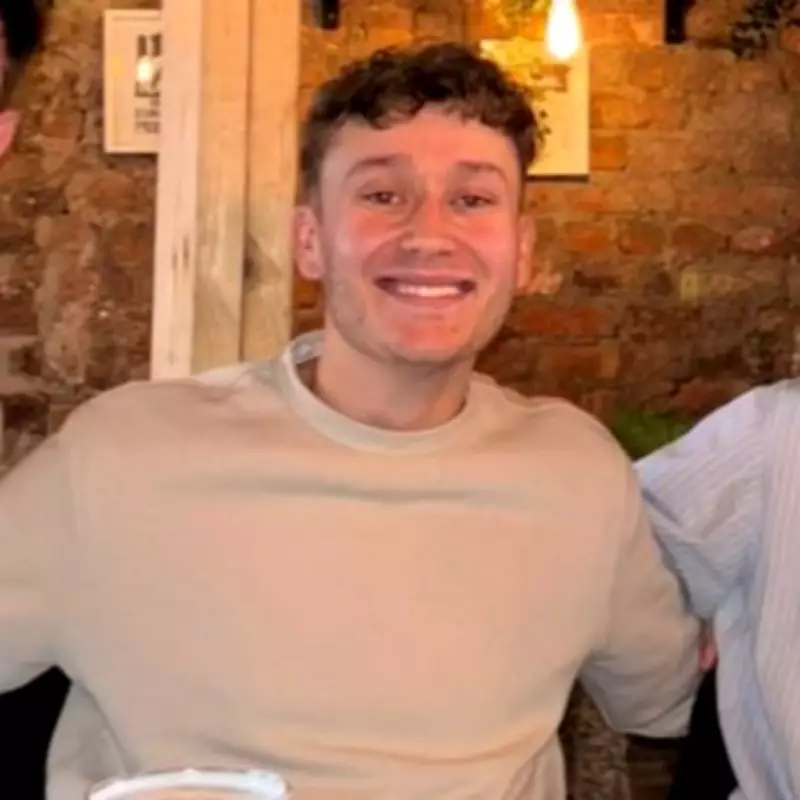
A Birmingham student who thought he had the worst hangover of his life was actually suffering from a brain tumour. Ben Cornforth, then 21, was at his university home in Nottingham when he began feeling unwell. He collapsed on the way to the toilet and told his girlfriend he was having trouble speaking.
Sudden Collapse and Speech Issues
Ben was watching TV with housemates when he suddenly could not follow the show or speak. He said: 'I felt totally out of it and dizzy. When I went to the toilet, the room felt like it was spinning and I fell over.' He tried to downplay his symptoms because he had been drinking the night before, thinking it was just a severe hangover.
Hospital Diagnosis
His friends called 111, and Ben was taken to hospital. A CT scan revealed something on his brain. Two weeks later, an MRI showed a benign tumour on his language centre, which had likely been there most of his life. Doctors decided to leave it as it was safest.

Further Seizures and Surgery
Ben suffered two more seizures, and a follow-up scan showed tumour activity. In May 2023, he underwent a six-hour craniotomy, where part of his skull was removed to access the brain. He was awake for two hours during the surgery. 'They would prod a piece of the tumour with the logic that if I stopped talking, they couldn't cut that,' he explained.
Recovery and Cancer Diagnosis
After surgery, Ben had trouble reading, watching TV, and following conversations, but these issues subsided within a week. However, biopsy results revealed stage 4 brain cancer, requiring six weeks of radiotherapy and chemotherapy. He moved to Queen Elizabeth Hospital in Birmingham for treatment.
Ongoing Treatment and Marathon
Ben completed a year of daily chemotherapy tablets. He now feels happy and healthy, though he knows he will need more treatment in the future. He joined Teenage Cancer Trust's Youth Advisory Group and recently ran the London Marathon, raising over £10,000 for the charity.
Ben said: 'After being diagnosed, I would have never imagined I could have done it, but it felt incredible at the end.' He hopes his story encourages others to seek help for unusual symptoms.