From Climbing Frame to Wheelchair: Freddie's Battle with Hidden Illness
In the warm sunshine of a Sunday that now feels like a distant memory, seven-year-old Freddie Green celebrated a personal victory at Brueton Park in Solihull. For the first time, he had successfully conquered the climbing frame that had previously defeated him, his little body nearly bursting with pride as he mastered the ladders and rings.
His mother Ruth watched with joy, unaware that within five days, her active son would lose his ability to walk, speak, and function independently.
A Rapid and Devastating Decline
On Monday, Freddie developed a mild temperature that initially caused no concern. By Tuesday, fatigue overwhelmed him to the point where he fell asleep in the playground at Shirley Heath School. Wednesday brought dramatic changes: pale skin, dark circles under his eyes, and unsteady, labored steps.

"This is an eighth of my child," Ruth told medical professionals trying to understand the dramatic collapse. "My child is not there."
By Thursday, light caused Freddie pain and he could no longer walk without assistance. On Friday, he lost his ability to speak completely. The boy who had triumphantly tackled the climbing frame just days earlier now had to be carried everywhere.
The Medical Maze and PANDAS Diagnosis
For months, Ruth navigated a confusing medical journey that took her from GP appointments to Heartlands Hospital, Birmingham Children's Hospital, and consultations with neurologists, immunologists, and psychology specialists. The truth eventually emerged: Freddie had developed PANDAS (Pediatric Autoimmune Neuropsychiatric Disorders Associated with Streptococcal Infections).
Triggered by a simple cold, Freddie's immune system had spiraled out of control, treating his own body as an alien invader and attacking his brain. The condition proved so mysterious that the NHS had not established consistent assessment and treatment protocols when it struck Freddie.
"He was a top-of-the-class pupil who went from excelling at maths to failing to add one and one together," Ruth explained. "From neat handwriting and an imagination far beyond his years, to a scrawled single word spread over an entire exercise book page."
The Emotional Toll and Recovery Journey
The psychological impact proved devastating. "He was very depressed," Ruth recalled. "I had to ask neighbours and friends to help me carry him upstairs and take him to the toilet. His separation anxiety was off the scale and he would hallucinate sounds and sights around every corner."
Freddie's eyesight declined to the point where he could no longer watch television, and he expressed not wanting to live that way. The wheelchair that eventually provided some mobility arrived after a six-month wait.
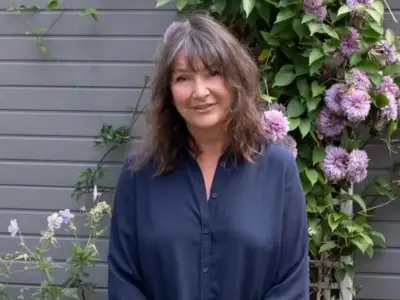
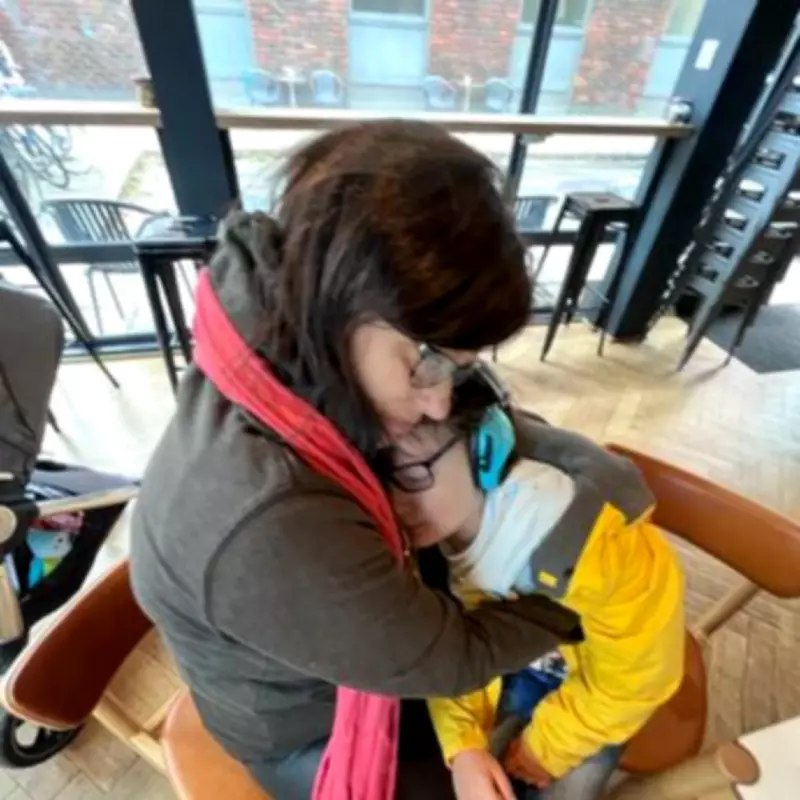
Ruth transitioned from her career as a PR director to becoming a full-time carer for her son. "All you have to give is empathy and time," she said. "All you can do is hold the little boy, but you can't say it's going to get better because you don't know if that is true or not."
Diagnostic Challenges and Hospital Experiences
The path to diagnosis proved frustratingly slow. During one visit to Heartlands Hospital's paediatric unit and A&E department in November 2022, staff ruled out meningitis but found nothing alarming in his temperature. "At A&E we waited four-and-a-half hours to be seen for 20 minutes," Ruth remembered. "Freddie was asleep on my lap, you could see how poorly he was."
Doctors prescribed a five-day course of antibiotics with no improvement. The cycle continued until mid-January with referrals between doctors and hospitals. "By then, I was carrying him everywhere," Ruth said. "No one seemed to be listening."
Another nine-hour visit to Birmingham Children's Hospital failed to identify the cause of Freddie's suffering. Only through a Facebook plea did Ruth discover a possible answer when a health practitioner recognized the symptoms as potentially indicating PANDAS.

Progress and Hope for the Future
Now 11 years old, Freddie is making slow but steady progress thanks to ongoing support from therapists and specialists. "It's amazing to see him happy," Ruth shared. "When he first got a wheelchair that he could self-propel he started to find his freedom again. His art therapist cried when he saw him wheeling up the corridor towards him."
After being out of junior school for almost three years, Langley School in Solihull agreed to accommodate Freddie's physical and significant learning needs. He now attends history and science classes, which he particularly enjoys.
The recovery journey has been marked by a rollercoaster of viral infections, temporary improvements, and setbacks. A simple stomach upset could result in weeks of retching, while a minor neck injury meant prolonged agony.
"We never know when it's going to happen," Ruth explained about the unpredictable nature of the condition. "When his immune system will change, how it will hit him physically or mentally."
Changing NHS Guidelines and Raising Awareness
Thanks to work carried out by the charity Pans Pandas UK, the NHS is now developing guidelines that will bring clarity to those affected by this condition. Ruth has moved from initial bitterness to a mission of education.
"At first, I did feel bitter because, as a parent, I was being told by health professionals that there was 'nothing they could do,'" she admitted. "There have even been parents who were told they were making up the illness."
"I'm not bitter now, I simply want to educate others because if you catch this early, you can treat it. I don't want others to grieve for what they had, the life they had, like I have."
Ruth emphasizes that many children do recover with proper treatment, though the journey remains challenging. "Many children recover, with the right treatment progression is very good," she noted. "But you also hear stories of parents driven to the brink of suicide – it's very mixed."
Freddie's story highlights both the devastating impact of rare autoimmune conditions and the importance of continued medical research and awareness to improve diagnosis and treatment for affected families.