Sleep Apnoea Costs UK Economy Billions Annually, Experts Demand Action
Health specialists are issuing an urgent call for workplace sleep apnoea screening following a groundbreaking study that reveals the condition's staggering financial impact on the national economy. The research indicates that obstructive sleep apnoea (OSA) is far more than a mere bedroom nuisance; it represents a significant drain on productivity and public health resources.
The Alarming Economic Burden
According to the comprehensive study, approximately 7% of the United Kingdom's workforce meets the clinical criteria for obstructive sleep apnoea. This widespread prevalence leads to massive levels of absenteeism and presenteeism, where employees are physically at work but functioning at reduced capacity due to poor sleep quality.
The financial consequences are truly eye-watering. Annual productivity losses are estimated at a colossal £4.22 billion, which translates to roughly £1,840 per affected worker. This research was a collaborative international effort involving fifteen specialists from the United Kingdom, the United States, and Canada.
The research team was led by Professor Matt Lechner from UCL Surgery and Interventional Science and the UCL Cancer Institute. Professor Lechner stated emphatically, "The burden of obstructive sleep apnoea syndrome and its economic impact have been consistently underestimated in recent years."
Understanding Sleep Apnoea and Its Causes
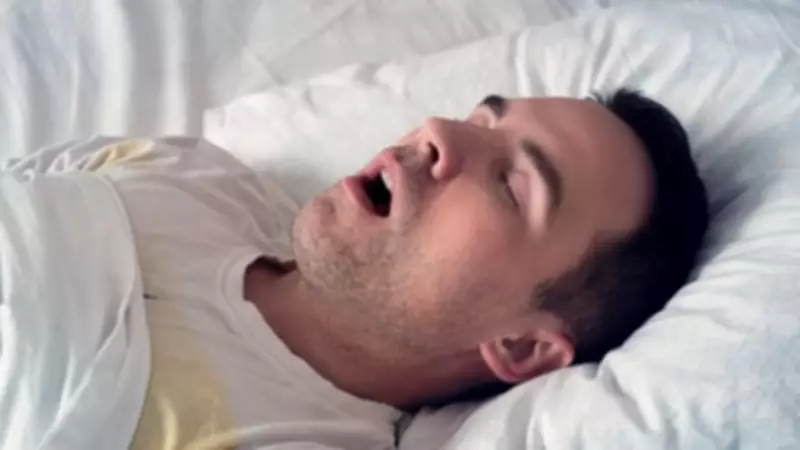
Obstructive sleep apnoea involves repeated interruptions in breathing during sleep, causing oxygen levels to drop and disrupting normal sleep patterns. While snoring is often considered a humorous inconvenience, it can be a significant warning sign of underlying health issues.
Dr. Ryan Chin Taw Cheong from Cleveland Clinic London Hospital explains that three primary factors contribute to snoring and potential sleep apnoea: anatomical structure, lifestyle choices, and general health status.
"If you have a structural narrowing of your nose, the back of your throat, or the back of the tongue, that can increase air flow resistance when you breathe at night, resulting in snoring sounds," Dr. Cheong clarifies. He further notes that lifestyle factors play a crucial role in airway behavior during sleep.
"Additionally, if you're particularly overweight or consume significant amounts of alcohol, the upper airway muscles can become excessively relaxed, increasing air flow resistance and causing snoring," he adds. In some cases, this relaxation becomes so pronounced that it causes complete obstruction.
Recognizing the Red Flags
Distinguishing between simple snoring and sleep apnoea requires awareness of specific warning symptoms that should never be ignored.
Choking or gasping episodes: "If you witness any choking episodes, gasping for breath, or pauses in breathing by your bed partner, or if you've experienced these symptoms yourself, that's a potential red flag for sleep apnoea," Dr. Cheong emphasizes.
Extreme daytime fatigue: Dr. David Garley, a general practitioner and director of The Better Sleep Clinic, explains that sleep apnoea severely compromises sleep quality. "The issue with sleep apnoea is that it causes really fragmented, poor-quality sleep, preventing you from reaching the deep sleep stages necessary for morning refreshment," he states.
Cognitive and mood disturbances: Waking up unrefreshed, experiencing memory difficulties, or feeling persistently low in mood are all indicators that professional medical advice should be sought.
The Serious Health Risks of Untreated Sleep Apnoea
Ignoring sleep apnoea symptoms extends far beyond morning grumpiness; it can lead to severe long-term health complications. The cardiovascular system bears particular strain from untreated sleep apnoea.
"Untreated sleep apnoea has been associated with increased risks of strokes, heart attacks, diabetes, and high blood pressure," observes Dr. Cheong. "There's also evidence suggesting it can elevate the risk of neurocognitive decline."
The condition also takes a substantial toll on mental health. "Consider how poorly you feel after just one night of bad sleep, then imagine the impact of years of disrupted sleep on your overall health," notes Dr. Garley, adding that approximately 20% of sleep apnoea patients also suffer from depression.
Diagnosis and Treatment Pathways
The positive news is that effective help is readily available. Diagnosis often begins with a simple, validated screening tool called the STOP-Bang questionnaire. Individuals who score highly on this assessment may be referred for a home sleep test using specialized medical equipment.
"This typically involves wearing a medical watch-like device on your wrist, equipped with chest and finger sensors that take detailed measurements of your sleep patterns," Dr. Garley explains. These sensors monitor oxygen level drops and spikes in the sympathetic nervous system activity.
Available Treatment Options
Lifestyle modifications: "Reducing alcohol consumption is one lifestyle-based change that can significantly lower your risk of sleep apnoea," Dr. Cheong advises.
CPAP machines: These bedside devices use gentle, continuous air pressure to maintain an open airway throughout the night, preventing breathing interruptions.
Surgical interventions: Advanced technological solutions like the Genio Nyxoah device can stimulate the tongue to remain in a forward position during sleep. "Surgical procedures on the palate at the back of the throat can also help open up the airway," Dr. Cheong adds.
The compelling evidence from this international study underscores the critical need for workplace screening programs and increased public awareness about sleep apnoea's substantial economic and health impacts.