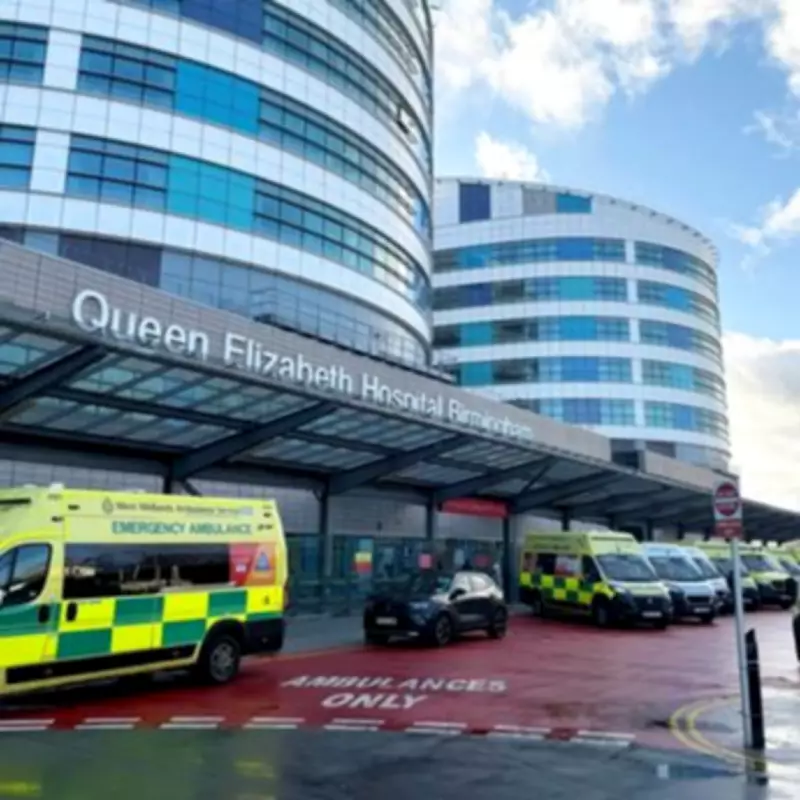
Birmingham Hospitals Achieve Major Reduction in Ambulance Handover Delays
Emergency departments across Birmingham have made substantial progress in improving ambulance handover times, according to recent reports from University Hospitals Birmingham (UHB) NHS Foundation Trust. The trust has been working diligently to address concerns raised by NHS England regarding delays in patient transfers from ambulances to hospital care.
Significant Improvements in Handover Times
At a recent trust board meeting on March 26, UHB officials were informed that significant reductions have been achieved in ensuring ambulances are freed up within 45 minutes of arrival. This marks a considerable improvement from previous performance levels that had drawn scrutiny from national health authorities.
Chief Operating Officer Iain Pickles highlighted the progress, stating: "We've seen some really significant reductions in the extent of delays that have been experienced on the ambulance ramps outside our departments."

Hospital-Specific Performance Data
The improvements vary across different hospital sites within the trust:
- Good Hope Hospital and Queen Elizabeth Hospital: 95% of patients handed over within 45 minutes during March
- Heartlands Hospital: Over 60% of patients handed over within 45 minutes during March
- Overall Trust Performance: 80% of arrivals handed over within the 45-minute target so far in March
Pickles emphasized that this represents "a really big step forward from where we were in December and January," when more than 40% of ambulances were stuck outside UHB hospitals for over 45 minutes.
Broader Emergency Care Improvements
The trust has also seen encouraging progress in meeting the four-hour treatment target within emergency departments. According to Pickles, "70.3 percent received their treatment and were discharged or admitted within four hours" when looking across the entire acute trust footprint.
This represents a marginal improvement, with March showing approximately four percentage points better performance. The trust expects to finish the year at around 74% against the national target of 78%.
Ongoing Challenges and Future Focus
Despite these improvements, Pickles acknowledged that "for urgent and emergency care, there remains a significant challenge." The trust has maintained its focus on reducing ambulance handover delays since February and continues this effort through March.
The progress comes after NHS England had specifically scrutinized UHB's average ambulance handover times with the goal of implementing improvements. The trust's efforts appear to be yielding positive results, though work continues to address the complex challenges of emergency healthcare delivery.