Birmingham NHS Doctors to Stage Six-Day Strike After Easter Weekend
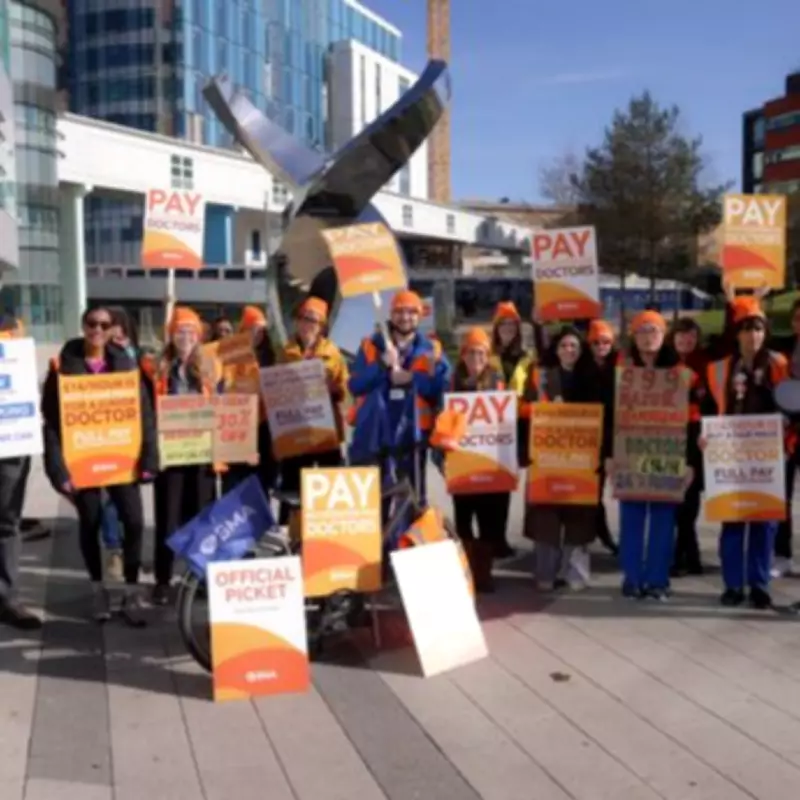
Resident doctors, formerly known as junior doctors, across key Birmingham hospitals are set to embark on a nearly week-long strike action. This decision follows a breakdown in pay negotiations with the government, marking the 15th such walkout in three years under both Conservative and Labour administrations.
Strike Details and Hospital Impact
The industrial action is scheduled to commence at 7am on Tuesday, April 7, immediately after the Easter Monday holiday. It will continue uninterrupted until 6.59am on Monday, April 13, spanning six full days. The strike will significantly affect services at major healthcare facilities including Queen Elizabeth Hospital, Heartlands Hospital, and Good Hope Hospital in Sutton Coldfield.
These medical professionals are represented by the British Medical Association (BMA), the primary trade union for doctors throughout the United Kingdom. The BMA has confirmed that despite extensive discussions with government officials, no satisfactory agreement has been reached regarding compensation and working conditions.

Government Offer and Doctor Response
The government presented what it described as a landmark proposal that included several key components:
- A 3.5 percent increase based on the Doctors' and Dentists' Remuneration Board recommendation
- Reforms to pay progression phased over three years
- Reimbursement of mandatory Royal College exam fees starting April 2026
- Creation of 4,000 to 4,500 additional specialty training positions over three years
- Improved contractual arrangements for locally employed doctors
- Review of problematic implementation requirements for exception reporting
- Renaming of the GP Flexible Pay Premia to General Practice Registrar Enhancement
Dr. Jack Fletcher, chair of the BMA's Resident Doctors Committee, expressed profound disappointment with the government's position. He stated that during negotiations, the government shifted the goalposts by proposing to spread pay increases across three years rather than providing immediate substantial improvement.
"We have been negotiating in good faith for weeks to try and end the simultaneous pay and jobs crises for resident doctors," Dr. Fletcher explained. "Frustratingly we had been making good progress right up until the point when the government began to shift the goalposts."
Pay Restoration and Inflation Concerns
The doctors' primary objective remains pay restoration to address what they describe as years of erosion in their compensation. Dr. Fletcher emphasized that the current offer would result in salaries that barely tread water against rising inflation and economic pressures.
"We cannot ignore that economic indicators now point to years of greatly increased inflation," he noted. "We are simply not going to put an offer to doctors that risks locking in further erosion of pay at a time when doctors continue to leave the UK for other countries."
Despite the strike announcement, Dr. Fletcher indicated that the door remains open for further negotiations, provided the government acts swiftly to prevent the industrial action from proceeding as scheduled.
Government Response and Patient Impact
Health and Social Care Secretary Wes Streeting expressed deep disappointment at the BMA's rejection of what he characterized as a generous and transformative package. He acknowledged the constructive approach shown by BMA leaders during intensive talks since the beginning of the year but lamented the failure to reach an agreement.
"It is enormously disappointing for NHS patients and staff that the BMA Resident Doctors' Committee have rejected this offer," Streeting stated. "This government has pulled every available lever to put forward a generous package that would have transformed the working lives and career prospects of resident doctors."
The Department of Health and Social Care emphasized that resident doctors have missed an opportunity to vote on what it described as a historic deal. A spokesperson highlighted previous actions including a 28.9 percent pay rise over three years and legislation to prioritize UK medical graduates in training positions.

With the strike now imminent, NHS leaders must focus on minimizing disruption to patient care and maintaining essential services during what promises to be a challenging period for Birmingham's healthcare system.