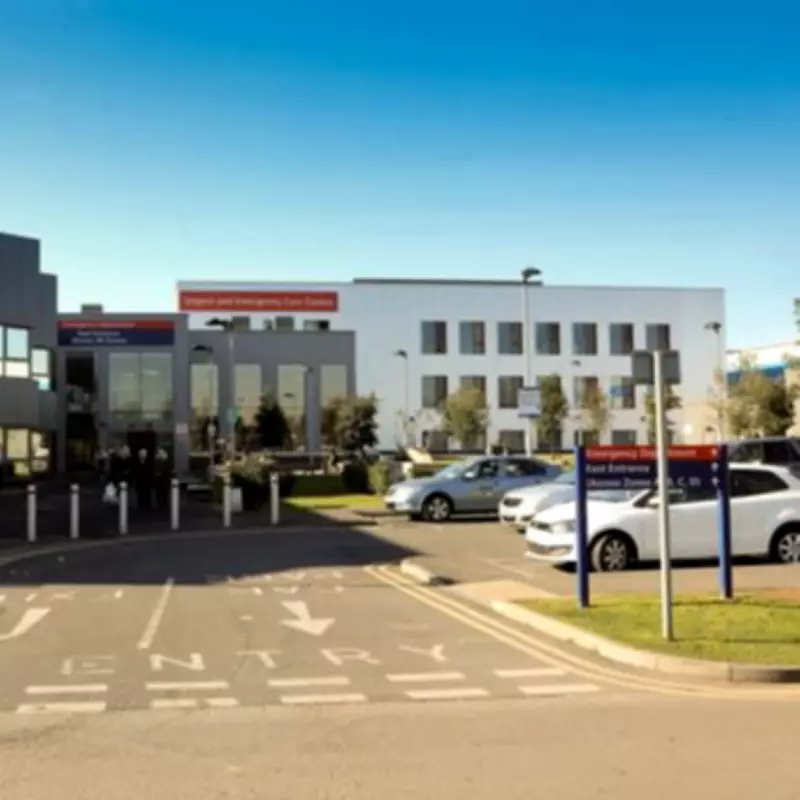
New Cross Hospital's Emergency Services Downgraded to 'Requires Improvement'
The Care Quality Commission (CQC) has downgraded the urgent and emergency services rating at Wolverhampton's New Cross Hospital from 'good' to 'requires improvement'. Inspectors identified significant safety concerns during a visit in November last year, highlighting issues that could potentially put patients' health at risk.
Critical Safety Failings Identified
Inspectors found a lack of clinical management that had the potential to endanger patients. Observations were not routinely carried out on people waiting hours to be triaged, meaning unwell individuals could deteriorate without detection. The CQC also noted insufficient staffing levels to meet patient needs due to department crowding and capacity issues.
Carolyn Jenkinson, CQC's deputy director of hospitals in the West Midlands, stated: "We found a lack of clinical management had the potential to put people's health at risk, and there weren't enough staff to deliver safe care."

Systemic Problems in Patient Care
The inspection revealed multiple concerning practices:
- Patients were regularly and inappropriately transferred to same-day emergency care as an overflow area
- Staff didn't always follow proper medication prescribing and administration systems
- Medical records were not always accurately completed
- Time-critical medicines were sometimes not administered on time
- Nursing handover records contained limited information
Additionally, the CQC found that while staff worked well within their own teams, they didn't always collaborate effectively across departments, creating poor patient pathways and occasional team conflicts.
Leadership and Staff Safety Concerns
The report raised serious questions about hospital leadership, noting that concerns about safety weren't always heard. While incidents were investigated, lessons weren't consistently learned to improve practices.
Staff safety emerged as another significant issue. Employees reported feeling vulnerable, particularly during night shifts, and often faced verbal aggression from frustrated patients due to long waiting times. Security response times were described as inadequate when staff needed support.
Positive Aspects and Hospital Response
Despite the concerning findings, inspectors noted some positive elements. The stroke pathway worked effectively, with safety policies aligned with other care partners. The hospital also maintained good systems to protect patients from abuse and neglect, and staff provided clear information about treatment options.
Joe Chadwick-Bell, group chief executive of the Wolverhampton and Walsall Healthcare NHS Trusts, acknowledged the disappointing report but emphasized immediate corrective actions: "We took immediate and widespread action to improve patient and staff safety... including strengthening clinical oversight and improving triage waiting times."
Regulatory Breaches and Required Improvements
The CQC identified three breaches of regulations related to:
- Safe care and treatment
- Dignity and respect
- Management practices
The regulatory body has requested an updated action plan detailing how the hospital will address these concerns. While the urgent and emergency services rating has been downgraded, the overall rating for The Royal Wolverhampton NHS Trust remains 'good'.
The hospital has already implemented some improvements, including redeploying a healthcare assistant to the waiting room to conduct observations and reviewing the chest pain pathway. The CQC will continue monitoring the service to ensure patient safety during the improvement process.