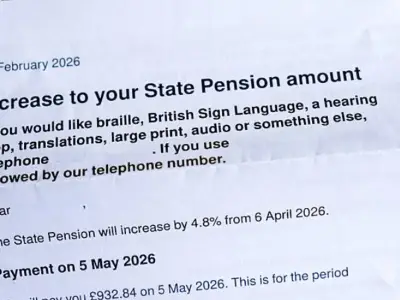
State pensioners born before 1951 are set to receive £736 every four weeks from the Department for Work and Pensions (DWP). This increase follows the application of the Triple Lock guarantee, which has boosted payments for older people in May.
Triple Lock Increase
The headline state pension rates from the DWP were increased by 4.8% in April under the Triple Lock. For individuals who reached state pension age from April 2016 onwards, the weekly amount has risen from £176.45 to £184.90. This translates to a monthly payment of £736.
Basic State Pension Eligibility
The basic state pension applies to all claimants born before 1951. Those born after this date qualify for the new, full rate. Many recipients of the basic rate also receive additional top-ups known as additional state pension, S2P, or Serps, provided they earned these through extra salary-related National Insurance contributions earlier in life.

The Basic State Pension is available to men born before 1951 and women born before 1953 who reached state pension age before 6 April 2016. It is not paid automatically and must be claimed. It is not means-tested.
Protected Payments
If you reached state pension age after April 2016 but had already accumulated enough additional state pension, S2P, or Serps to exceed the headline flat rate earlier in your career, you will receive the difference on top. This protected portion of your state pension will increase by 3.8%.
State Pension Age Changes
Individuals born between 6 October 1954 and 5 April 1960 can access their state pension at age 66. Those born on or after 6 April 1960 will see this gradually increase to 67. For those born on or after 5 April 1977, the state pension age is set to rise to 68 between 2044 and 2046. The state pension age is reviewed by the government at least once every five years.
Deferring Your Pension
You are not required to take your pension immediately upon reaching state pension age. Deferring it can increase your payments. You may also continue working past state pension age and still access your pension.