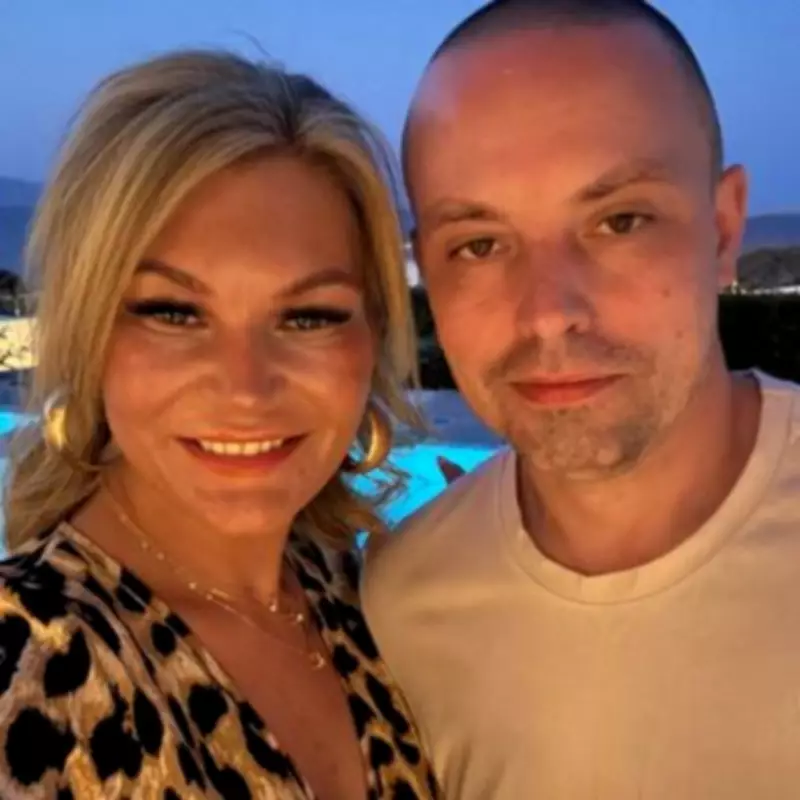
A former soldier who sued the British Army after contracting an infectious disease in Afghanistan claims the ordeal left him addicted to painkillers, with less NHS support than if he were dependent on heroin. Wayne Bass, 41, developed Q fever—a disease caused by inhaling dust from cattle, sheep, and goat manure—while serving with the 2nd Battalion of the Mercian Regiment. The illness resulted in severe nerve damage and chronic fatigue syndrome, complications he attributes to the Ministry of Defence's failure to provide antibiotics to cure the infection. He unsuccessfully sued the MoD in 2019, with his claims dismissed in court that same year.
Addiction to Tramadol
To manage the painful nerve damage from Q fever, Bass was first prescribed the opioid tramadol in 2013 after his third and final tour in Afghanistan. Initially given on a short-term basis, he began experiencing withdrawal symptoms within six months when trying to reduce his dose. At the height of his addiction, the telecommunications engineer was taking up to 30 pills daily just to get out of bed, even sourcing the drug from friends when his prescription ran out. He has since reduced his intake to six pills a day but still struggles with dependency.
Bass, from Redditch, Worcestershire, said: "The Q fever caused severe nerve damage, muscle wastage, fatigue. I was in a wheelchair for a while. It affected my walking, speech, everything. I'm in a lot of pain on a daily basis. After the Q fever, I went to my doctors and they basically just said take this and this for your pain. It was all opioids and morphine. I was given tramadol, pregabalin, diazepam, and other opioids."

He added: "After about six months, I tried to reduce the pills and noticed it was getting a bit weird. I was going through withdrawals. I attempted to try and come off them but I'm literally body-dependent on these things. If I don't take them, I get withdrawals and the pain gets worse. The doctors always said it would be short-term."
Lack of Support
Bass claims there is more support for heroin users than for painkiller addicts. Even after informing doctors of his growing dependency, he says they continued to prescribe more boxes of the drug. He stated: "There's less stigma with being addicted to painkillers like tramadol, but there's less support. I'd probably be better off taking heroin because at least then I'd get help to come off it. Even though there are a lot of people who are addicted to these opioids and are in the same position. Tramadol has ruined my life."
His partner of seven years, Lauren Abbott, 36, launched a petition to increase support for veterans and patients facing prescription opioid dependency. She said: "He's in pain and has no other option. That's the major issue. It's horrible to see him in pain on a daily basis. He wants help and to better himself. So many people are just given tramadol so blasé and don't realise what they're getting into and can't get any support once they're addicted."
MoD Response
The MoD stated that Bass lost his appeal for damages after contracting Q fever while serving in Afghanistan, with a High Court judgment in 2020 dismissing the appeal. The court ruling supported earlier findings that antibiotics would not have been effective to prevent Q fever based on expert evidence. The trial judge found that the MoD was at all times taking its responsibilities as employer very seriously, noting that the welfare of the troops and operational capacity went hand in hand. NHS Herefordshire and Worcestershire Integrated Care Board declined to comment on specific cases.
The National Institute for Health and Care Excellence warns that tolerance and physical and psychological dependence may develop with repeated use of tramadol and other opioids. Their guidelines state that withdrawal symptoms may occur on abrupt cessation or dose reduction, and that before starting treatment, patients should be informed of the risks and signs of dependence, with treatment goals and a discontinuation plan agreed upon.