Letters containing at-home finger-prick test kits are landing on the doormats of 150,000 households in Leeds this month, as part of a groundbreaking new study into childhood lead exposure.
Pioneering Home-Testing Approach
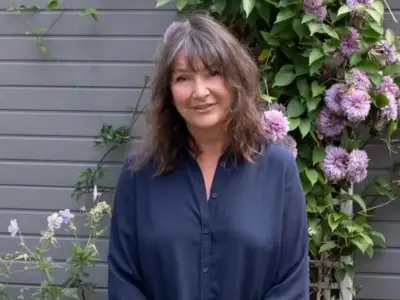
The ambitious research project, named the Elevated Childhood Lead Interagency Prevalence Study (ECLIPS), is spearheaded by Professor Jane Entwistle, Associate Pro Vice-Chancellor for the Faculty of Science and Environment at Northumbria University. Funded by UK Research and Innovation (UKRI), the study represents a significant shift in how the UK could monitor this persistent environmental health risk.
Rather than requiring clinic visits, the study uses an innovative home-testing method. Participating families will use simple finger-prick blood sampling kits, similar to those used by diabetics, to collect samples from children aged between one and six years old. They will also provide soil and house dust samples alongside survey data to help experts pinpoint potential sources of exposure.

The Hidden Risk of Lead Pollution
Despite successful regulations that have removed lead from petrol, paint, and many consumer goods, the toxic metal remains widespread in our surroundings. "Lead pollution remains common in the environment, being found in soil, water, dust, food and air," explained Professor Entwistle. She emphasised that young children and pregnant women are especially vulnerable, with even low-level exposure linked to reduced attention spans, diminished educational success, and increased behavioural issues.
This sentiment is echoed by health authorities. Debapriya Mondal, Principal Epidemiologist at the UK Health Security Agency (UKHSA), stated: "There is no safe level of lead exposure... these serious health impacts are preventable." Currently, testing often only occurs when a doctor strongly suspects poisoning, meaning many asymptomatic cases are missed.
Potential for a National Screening Model
The study aims to build an initial research cohort of 500 participants from the Leeds area. However, its implications could be far-reaching. The team, which includes experts in environmental science, health, epidemiology, and economics, hopes the home-testing model could pave the way for wider UK screening.
Dr Carys Lippiatt, Consultant Clinical Scientist at Leeds Teaching Hospitals NHS Trust, highlighted the benefits of the new approach: "At the moment... children have to come into a clinic for a venous blood sample... often distressing for the child. This new technique allows samples to be collected in the relaxed environment of the home."
By proving the effectiveness and acceptability of this method, the ECLIPS study could fundamentally change how the UK identifies and manages the ongoing risk of lead exposure to its youngest citizens.