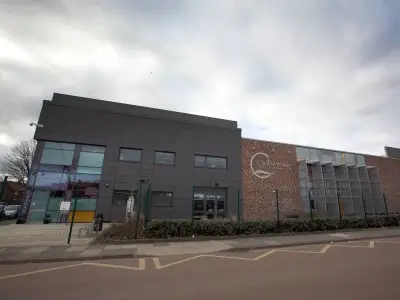
When NHS bosses in Birmingham were set a challenge to radically change mental health services in the city, their answer was a resounding 'yes we can'. Last week, the Golden Hillock Neighbourhood Mental Health Centre was officially opened to provide support for adults in Small Heath, Heartlands and Bordesley Green. It is one of only six pilot sites in the country and aims to offer a range of services in the heart of the community.
A New Approach to Mental Health Care
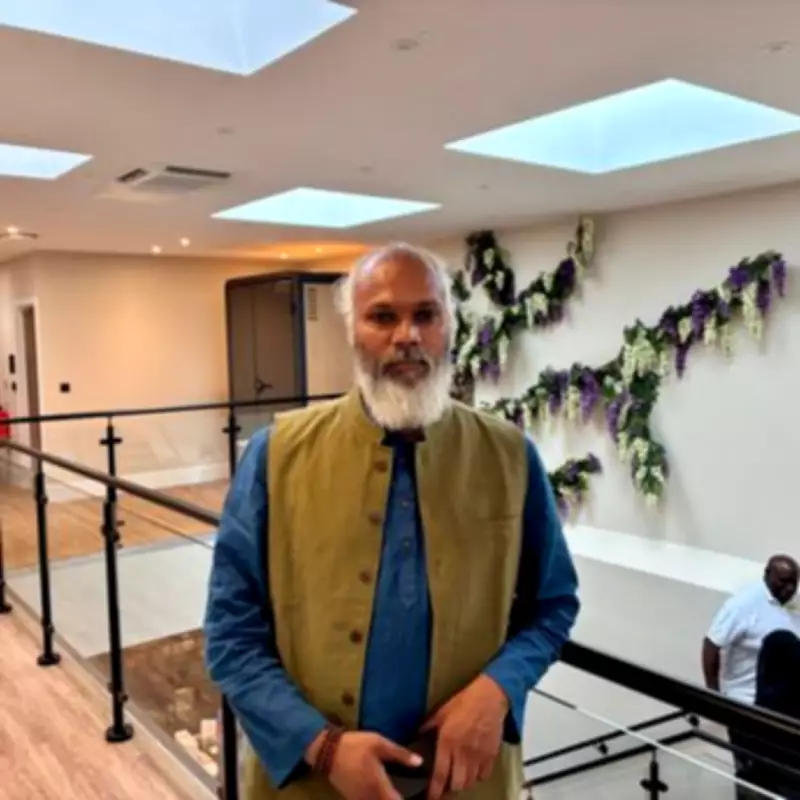
Birmingham and Solihull Mental Health Foundation Trust designed the centre to be more welcoming and available 24/7, addressing the challenges people faced when accessing services. Dr Selvaraj Vincent, consultant psychiatrist and clinical lead for the pilot, explained: 'Exactly two years ago, NHS England posed a challenge: can we have a radically different way of delivering community mental health services? Very different from how things are because the way things are is failing.'
He highlighted constant complaints about access, poor patient experiences, and poor outcomes. The trust was increasingly relying on private bed provisions, spending money sending people far from home, and relying on inpatient care. 'We responded to the challenge and said yes we can,' Dr Vincent said. 'What we proposed was given the catchment area of 50,000 we would have a centre at the heart of the community which will be open access and there would be no thresholds or criteria as to who can walk in.'
Open Access and Comprehensive Support
Unlike traditional services with multiple teams and strict criteria, the centre offers open access. 'When you have multiple teams serving, they all have criteria and very often, the criteria can exclude people rather than provide a service for them and there are very long waits,' Dr Vincent added. 'Once someone walks in, we will provide everything for them. We won't be signposting them to anybody else or saying 'this isn't the place for you, you need to go elsewhere'. We take full charge and we provide all levels of care and support them.'
The centre aims to change the experience and relationship with people, offering a homely, friendly, safe, and secure environment. 'That initial relationship is important where you treat people like a guest, like someone walks into your home,' Dr Vincent said.
A Successful Pilot in the Midlands
The proposal was one of six successful pilot sites, with others in London, York, Sheffield, and Whitehaven. It is the only centre in the Midlands. The trust learned of its success soon after the general election in July 2024 and began working on the project. 'It's been a fairly intense journey for the last two years and we have to convince lots of people as it's a different model,' Dr Vincent said. 'We had some examples from international models where they provided something similar. But in the UK, it required a complete paradigm shift in people's thinking.'
From Temporary Base to Permanent Home
After designing the model, the search for a home led to the former Ghamkol Sharif Education Centre. With NHS England funding allocated, the trust had to get the pilot service underway, so they moved into a temporary base at Omnia GP Practice while building work was carried out. They finally moved into the purpose-built facility earlier this year and have already provided help and support for more than 500 people. Being in the heart of East Birmingham has also allowed them to work directly with around 40 grassroots organisations close to the community.
Positive Impact and Future Goals
Dr Vincent noted: 'One big difference is open access is working, people are able to walk in freely when they need us. Secondly, we provide everything the person needs. Activities have gone up in terms of how much we do for people, significantly higher than existing services. We have managed to reduce the number of admissions, people needing inpatient care.' The next goal is to see an impact on A&E attendances. 'Once people know that in crisis, they can walk in, we will soon see an impact of people in this catchment area accessing A&E,' he added.