Endometriosis Diagnosis Delays Expose Racial Disparities in UK Healthcare
A shocking new report has uncovered that women from ethnically diverse communities in the UK face significantly longer waits for an endometriosis diagnosis compared to the national average, with systemic biases in healthcare contributing to years of suffering and dismissal.
Personal Stories of Dismissal and Delay
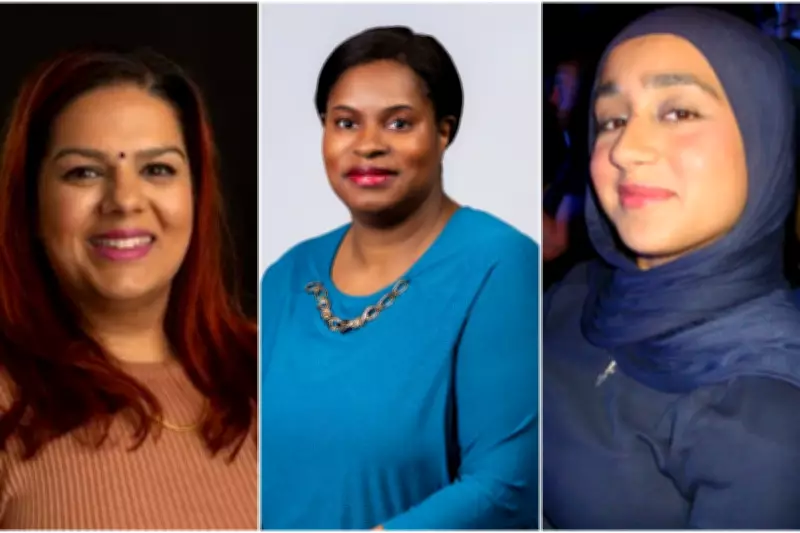
Sanchia Alasia, a trustee of Endometriosis UK, shared her harrowing experience, stating that her symptoms were repeatedly dismissed as just heavy periods since she was 13 years old. It took over a decade for her to receive a proper diagnosis, leaving her feeling unheard and unsupported. Sadly, my experience reflects what so many from ethnically diverse communities still face — a constant battle to be believed, she emphasised.
Zaynah Ahmed, a 20-year-old participant in the study, echoed this sentiment, revealing that as a young woman of colour, she was often told she would grow out of it. Getting a diagnosis finally allowed her to understand her body's struggles.
Alarming Statistics on Wait Times
The research, conducted by Endometriosis UK in collaboration with Birmingham-founded charity Cysters, found that the national average wait for an endometriosis diagnosis has increased to 9 years and 4 months. However, for women of colour, this delay extends to around 11 years on average.
Key findings include:
- Patients from ethnically diverse communities wait over 4 years between seeing a gynaecologist and receiving a diagnosis, compared to just 1 year and 10 months nationally.
- This occurs despite them visiting their GP sooner after symptoms appear and being referred to specialists more quickly.
- Approximately 68% of respondents felt their ethnicity made diagnosis harder, created barriers, or led to assumptions from healthcare professionals.
- Only 11% believed healthcare providers were culturally sensitive, indicating a severe lack of trust in the system.
Charity Leaders Demand Systemic Change
Neelam Heera Shergill, CEO of Cysters, condemned the structural issues at play, stating, Eleven years is not a statistic, it is years of pain, dismissal, and lost trust in a system that should care. As a South Asian woman personally affected, she called for healthcare to listen better and confront its biases.
Emma Cox, CEO of Endometriosis UK, urged governments to prioritise tackling racial bias through mandatory NHS training and policy reforms. We must work to tackle the inequalities faced and ensure this becomes a Government priority, she asserted.
Medical Community Responds with Concern
Dr Alison Wright, President of the Royal College of Obstetricians and Gynaecologists, expressed deep concern over the rising diagnosis times. She highlighted the debilitating nature of endometriosis and called for sustained investment in research and healthcare infrastructure, such as Women's Health Hubs, to reduce waiting lists and improve outcomes.
Sarah Harris, Trustee of Cysters and Lead Researcher, noted that while endometriosis research has increased, representation from diverse backgrounds remains lacking. This report validates long-held suspicions about disparities in diagnosis journeys.
Path Forward for Healthcare Equity
The findings have been presented to parliament, with charities pushing for actionable changes to address these inequalities. Recommendations include:
- Implementing mandatory cultural sensitivity training across the NHS.
- Increasing diversity in medical research participation.
- Boosting funding for faster diagnostic tools and treatments.
- Enhancing support for gynaecological staffing and theatre capacity.
Endometriosis, a condition where tissue similar to the uterine lining grows outside the womb, causes extreme pain and fertility issues. It can affect organs beyond the pelvis, including the lungs and liver, underscoring the urgency of timely diagnosis and care.