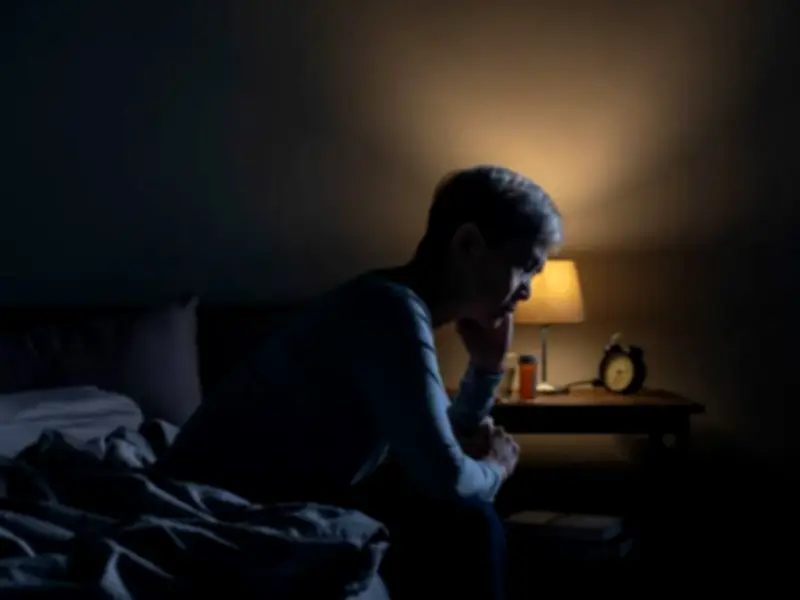
The Department for Work and Pensions (DWP) has confirmed that 11 sleep conditions can qualify people for Personal Independence Payment (PIP), a benefit claimed by 4 million people. The conditions range from narcolepsy and chronic insomnia to sleep apnoea and restless leg syndrome.
Sleep problems can be hard to cope with, especially when they start to affect everyday life. The NHS warns that sleep disorders can destroy your ability to function during the day. It states: "A few sleepless nights are usually nothing to worry about. But if poor sleep happens often, it can start to affect how you feel and get through the day."
Which sleep conditions qualify for PIP?
PIP Expert, a specialist advice service, notes that narcolepsy "is one of the strongest sleep-related PIP conditions because it creates genuine safety risks." Among the other conditions that can qualify are chronic insomnia, idiopathic hypersomnia, obstructive sleep apnoea (OSA), central sleep apnoea, and restless leg syndrome (severe).
The full list of 11 conditions includes: Narcolepsy Type 1 (with cataplexy), Narcolepsy Type 2 (without cataplexy), Idiopathic hypersomnia, Obstructive sleep apnoea (OSA), Central sleep apnoea, Chronic insomnia disorder, Restless leg syndrome (severe), REM sleep behaviour disorder, Circadian rhythm disorders (DSPD, ASPD), Kleine-Levin syndrome, and Parasomnias (sleepwalking, night terrors, sleep paralysis).
How PIP claims are assessed
DWP PIP claimants are told that these conditions could impact their ability to prepare food, move around, plan journeys, manage therapy, and more. Evidence that can support a claim includes sleep clinic letters, DVLA correspondence about driving restrictions, sleep tracker data, and GP records showing medication history.
PIP can help with extra living costs if you have a long-term physical or mental health condition or disability, or difficulty doing certain everyday tasks or getting around because of your condition. You can get PIP even if you are working, have savings, or are getting most other benefits.
Two parts of PIP
There are two parts to DWP PIP: a daily living part, if you need help with everyday tasks, and a mobility part, if you need help with getting around. Claimants may receive one or both parts depending on how their condition affects them.
The DWP's confirmation provides a clear framework for those with sleep disorders seeking financial support, with the list serving as a guide for potential claimants to assess their eligibility.