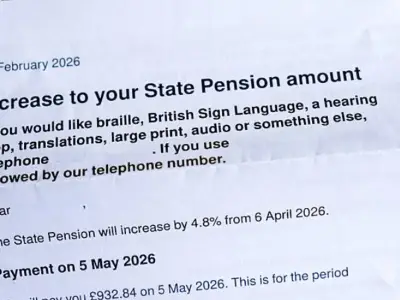
The Department for Work and Pensions (DWP) state pension leaves retirees with a £32,852 annual income shortfall compared with what is needed for a comfortable retirement, according to new analysis.
The full new State Pension is worth £12,548 a year in 2026/27. However, Pensions UK estimates that a single person needs an annual income of around £45,400 to achieve a comfortable standard of living in retirement. That leaves a £32,852 annual gap that would need to be covered through private pensions, savings or other sources of income.
Moderate retirement costs £32,700 a year
Pensions UK estimates a single person needs £32,700 a year for a moderate retirement, which includes an annual overseas holiday and eating out a couple of times a month. The figures come as part of a wider retirement warning issued by the organisation.

According to the Financial Conduct Authority (FCA), the average pension pot for those aged 55 and over was around £107,300 as of 2022, although this varies widely by age group and region. However, this figure does not include the value of defined benefit pensions or the State Pension.
PLSA retirement living standards
The Pensions and Lifetime Savings Association (PLSA) has also published Retirement Living Standards to help people gauge how much they might need, depending on the lifestyle they want. For a ‘minimum’ retirement lifestyle, the PLSA suggests a single person would need around £13,900 per year. For a ‘moderate’ retirement lifestyle, a single person would need around £32,700 per year, which includes more financial security and flexibility.
For a ‘comfortable’ retirement, which includes a little more luxury, a single person would need around £45,400 according to the report. For a couple, the equivalent figures are £22,500 for a minimum lifestyle, £45,400 for a moderate lifestyle and £62,700 for a comfortable lifestyle.
Pension confidence gap highlighted
Maike Currie, VP Personal Finance at PensionBee, said: "Britons aren't short of retirement dreams. What they're short of is confidence that their finances will make those dreams a reality."
She added: "That's the irony in these findings. People are far more certain about the retirement they want than they are about their ability to pay for it. For plenty of people, the barrier is money, not motivation. No amount of encouragement can fix a month that doesn't balance."
Currie concluded: "Once you know what you're aiming for, you can start making a plan to get there."