The Department for Work and Pensions (DWP) is set to increase the new state pension to £250.70 a week from next April, a rise of 3.9% under the triple lock, according to forecasts based on official wage growth figures.
The increase, which will affect men born after 1951 and women born after 1953, takes the full new state pension up from its current rate of £241.30 per week. Those on the full basic state pension will see payments rise from £184.90 to £192.10 a week.
Triple lock guarantees pension rise
The rise stems from the triple lock policy, which remains in place until 2030. Under this mechanism, pension increases are set each April based on the highest of three measures: inflation, average earnings growth between May and July, or 2.5%.
With average earnings growth already published by the Office for National Statistics (ONS), the full new and basic state pensions are widely expected to increase by 3.9% next year. This would put someone on the full new state pension on course to receive £250.70 a week from April, up from the current £241.30.
Inflation outlook and economic warnings
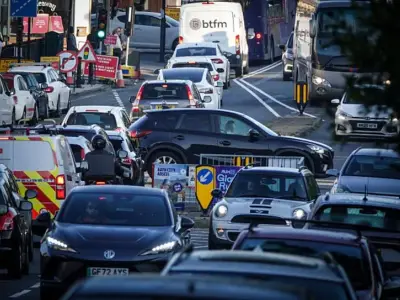
Charlotte O’Leary, an economist at the National Institute of Economic and Social Research, warned that the recent run of three months of rising annual inflation was likely to continue through the winter, even if there is some resolution to the conflict in the Middle East.
“Higher fuel and transport costs will likely push up food prices, and January’s large price cap increase will land as household energy demand peaks,” she said. “Given this, inflation could reach 4%, double the Bank’s target, by early 2027.”
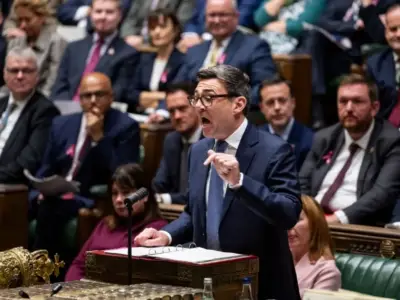
Labour Party Chancellor John Healey linked the inflation rise to the war in the Gulf. “We know that price rises from conflicts in the Middle East and Europe are hitting Britain and countries worldwide,” he said, adding that his budget would “drive for growth in every postcode” to improve living standards.
Economists caution on interest rates
Martin Beck, the chief economist at the consultancy WPA, said: “Raising interest rates cannot produce more oil or gas, and further tightening risks weakening an already fragile economy.”
“An increase now looks increasingly likely, but investors pricing in four hikes over the coming year risk underestimating how quickly an improvement in the international climate could change the inflation outlook,” Beck added.