Weekend Pharmacy Access Crumbles Under NHS Funding Crisis
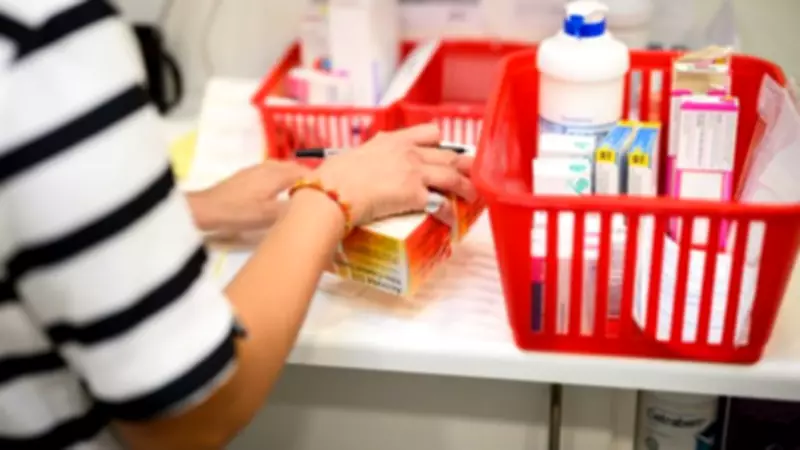
Pharmacies across England are dramatically scaling back their weekend operating hours, with some shutting down completely, as the sector confronts a severe and growing funding crisis. According to the National Pharmacy Association (NPA), approximately one in six pharmacies in England—around 1,600 establishments—have curtailed their weekend opening times. Alarmingly, about 8% have ceased opening altogether on Saturdays and Sundays over the past four years.
Patients Forced to Travel Long Distances for Essential Medications
The NPA attributes this reduction directly to insufficient funding from the National Health Service (NHS), compelling pharmacies to limit services. This has resulted in patients undertaking lengthy journeys to obtain prescriptions or resorting to hospital services for minor health issues. In extreme cases, individuals are reportedly driving for nearly an hour to reach the nearest open pharmacy.
Olivier Picard, chair of the NPA, stated that the situation demonstrates the pharmacy network is 'creaking at the seams' after enduring years of financial strain. "This is yet more evidence that the pharmacy network in England is creaking at the seams after facing deep cuts over a number of years," Picard explained. "Sadly the real losers are the millions of patients these pharmacies serve, particularly those in rural areas, who are forced to travel long distances or even go to a hospital if they need a prescription or advice for a minor health issue on a Sunday or late at night."
Significant Loss of Weekend Opening Hours Nationwide
The NPA's analysis reveals that around 16,000 hours of pharmacy opening time at weekends have vanished over the last four years. Currently, only 17% of pharmacies remain open to patients on a Sunday. Several regions have been disproportionately affected:
- Kent, Birmingham, and Lancashire have experienced some of the most severe declines in weekend hours, losing nearly 30% since 2022.
- Cornwall recorded the largest percentage drop in Sunday openings, with 34% fewer pharmacies open compared to four years ago. Patients in parts of Cornwall now face journeys of almost an hour to access an open pharmacy on a Sunday.
- Oxfordshire and Cheshire West and Chester have also seen sharp reductions.
Further compounding the issue, a previous NPA survey found that 65% of pharmacies in England were operating at a loss in 2025, despite a recent funding increase. The trade body, representing most independent community pharmacies in the UK, reported that more than 1,400 pharmacies have closed since 2016—approximately one in ten—leaving the network at its lowest level in two decades.
Increased Demand Amidst Financial Strain
Simultaneously, demand for pharmacy services has surged. The average pharmacy in England now serves around 1,000 more patients than it did in 2017, representing a rise of about 20%. Many pharmacists are reducing weekend hours to maintain weekday operations amidst mounting financial pressures following a decade of underfunding.
The Government recently announced a £617 million investment in the pharmacy sector over two years, marking the first significant funding rise since 2014. However, details for the next financial year's funding are still under discussion. The NPA is advocating for a long-term funding increase and reform of what it describes as the 'broken' contract between pharmacies and the NHS.
Picard emphasized, "Pharmacists have huge potential to take away pressure from the rest of the health system, but the reality is that they are hanging on by their fingertips, raiding pension pots or remortgaging homes to stay open. Although we recognise the Government took a step forward last year, much of the uplift disappeared to cover increasing costs, including National Insurance and National Living Wage contributions. Like the Government, we want to expand NHS services to patients, but this can only happen with sustained and significant investment."
Government Response and Future Outlook
A spokesperson for the Department of Health and Social Care responded, "Community pharmacies are a vital front door to the NHS, which is why this government has provided them with the largest funding uplift of any part of the NHS over the last two years—reaching a total of £3.1 billion. We are currently consulting with Community Pharmacy England on funding arrangements for next year and will continue to make sure hard-working pharmacists can offer patients more care closer to home as part of our 10 Year Health Plan."
The ongoing crisis highlights the critical need for sustainable funding to ensure accessible pharmacy services, particularly during weekends, as patient reliance on these essential healthcare providers continues to grow.