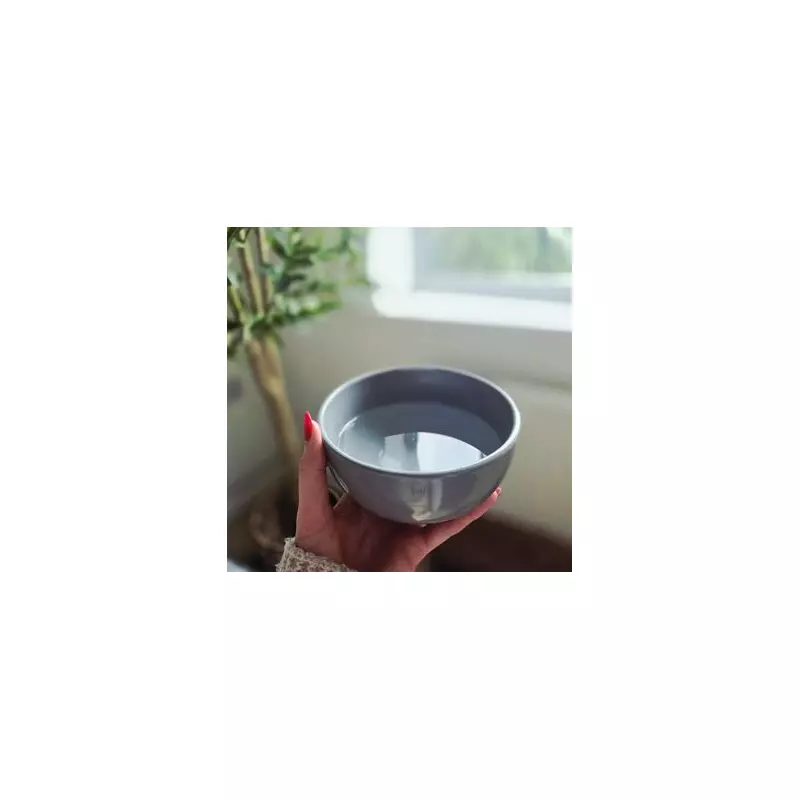
Health authorities are advising households across the United Kingdom to adopt a remarkably simple preventative measure as the nation grapples with a severe and early flu season. Placing wide, shallow bowls of water around the home, particularly near heat sources, is recommended to help maintain indoor humidity and keep airways moist.
An "Unprecedented Wave" of H3N2 Flu
The UK is currently in the grip of what medical professionals are calling an "unprecedented wave" of influenza, described as a worst-case scenario for this time of year. The dominant strain is a flu variant known as H3N2, specifically subclade K, which has seen limited circulation in recent years, leaving more of the population vulnerable.
This strain is particularly concerning due to its elevated transmissibility. Its R number, which indicates how many people one infected person is likely to pass the virus to, is higher than normal. Evidence suggests that 20% more people are expected to catch the flu compared to a standard season.
How Dry Air Weakens Your Defences
During winter, central heating can create excessively dry indoor air, which dries out the mucous membranes in the nose and throat. This weakens the body's first line of defence against airborne viruses, making individuals more susceptible to infection from circulating colds, Covid-19, and this year's potent flu strain.
The ideal indoor humidity level for health is between 40% and 60%. Levels below this can lead to dry skin, static shocks, and a scratchy throat, signalling an environment where viruses can linger more easily in the air.
Practical Steps to Increase Humidity
Experts recommend several straightforward actions to safely raise humidity levels at home:
- Use wide, shallow bowls of water: Place these near radiators or heaters to encourage evaporation. Ensure they are positioned securely to prevent spills.
- Clean dishes daily and use distilled water: This prevents the growth of bacteria, mould, or mineral deposits.
- Introduce houseplants or use a humidifier: These can consistently add moisture to the air.
- Let in fresh air regularly: This helps circulate air without drastically reducing humidity.
- Monitor with a hygrometer: This inexpensive device can accurately track your home's humidity levels.
Alongside managing humidity, public health advice remains crucial: frequent hand washing, ensuring good ventilation, and wearing face masks in crowded spaces if you feel unwell.
Vaccination Remains a Key Defence
Despite the flu strain's mutations, the seasonal jab for 2025 is still 70-75% effective at preventing hospital admission in children and 30-40% effective in adults. Free vaccinations are available for those aged over 65, pregnant women, and individuals living with chronic health conditions.
The UK's flu season typically runs from October to March, peaking between December and February. With the H3N2 outbreak already severe, taking proactive steps to protect your household's health is more important than ever.