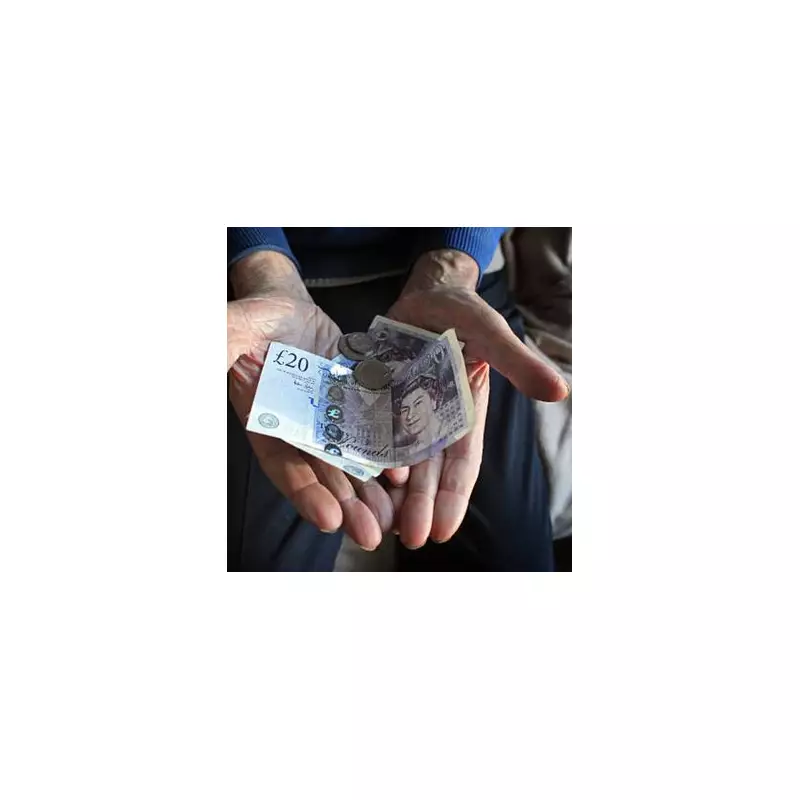
Millions of British pensioners are set for a significant financial blow this week as the government prepares to extend a major tax measure.
The Budget Announcement
On Wednesday, November 26, Chancellor Rachel Reeves is expected to announce an extension of the freeze on income tax thresholds until 2030. This decision forms part of Labour's Autumn Budget package aimed at addressing what's described as a £20 billion financial black hole.
The move will particularly impact nine million state pensioners who could find themselves paying tax on their state pension for the first time.
Who Will Be Affected?
According to former Liberal Democrats pensions minister Sir Steve Webb, approximately 9.3 million retirees could end up paying tax on their state pension if income tax thresholds remain frozen for another two years.
The issue primarily affects younger state pensioners receiving the Full, New State Pension. This mainly includes men born after 1951 and women born after 1953.
The problem arises because the state pension continues to increase under the triple lock system, while the income tax personal allowance remains stuck at £12,570.
The Numbers Behind the Squeeze
Under the triple lock, the full state pension is set to rise by 4.8% to £241.30 per week from next April. This equates to £12,534.60 annually, pushing pensioners dangerously close to the current £12,570 income tax threshold.
Sir Steve Webb, who originally introduced the Triple Lock during the coalition government, warned: "From 2027/28, anyone on the full rate of the new state pension will also be above the tax threshold based on their state pension alone."
Currently, around 8.7 million pensioners pay income tax. The extension would increase this figure to approximately three quarters of all pensioners.
Administrative Impact and Silver Linings
There is some administrative relief for affected pensioners. Most will not need to complete a tax return. Instead, HMRC will collect any tax due through tax codes applied to private pensions or via the 'simple assessment' process, which uses existing information to calculate tax bills.
The Chancellor has promised to "grip the cost of living" in her budget, alongside measures including scrapping the two-child welfare limit and freezing rail fares.
However, for nearly nine million pensioners, this budget is likely to mean a noticeable reduction in their disposable income as they join the ranks of taxpayers.