Birmingham City Council is facing a staggering potential bill of £19 million by the end of March due to the protracted industrial action by bin workers, new financial forecasts have revealed.
Strike Costs Mounting Daily
A report from the council's finance director, Carol Culley, details that if the strike continues until late March, the direct one-off costs will hit £14.6 million. These expenses cover security, additional street cleansing, and managing the accumulated waste.
On top of this, the suspension of the garden waste service is projected to result in £4.4 million of lost income. The council has already reimbursed residents for this paused service, confirming it will not restart in the current financial year.
Should the strike continue as projected, the industrial action will have lasted 450 days. Over this period, the cost to the crisis-hit authority would average out at around £42,000 per day, £1,750 per hour, or roughly £29 for every minute the dispute rumbles on.
Funding the Fallout and Service Delays
In October 2025, the council's cabinet agreed to use its reserves to cover the initial direct costs and lost garden waste income. It is now proposed that the remainder of the direct costs be funded from corporate underspends.
The strike is also having a knock-on effect on crucial savings plans. It impacts the council's ability to transform the waste service, a key project already delayed. This programme, which will shift household rubbish collections from weekly to fortnightly, is now slated for rollout in the summer of 2026, regardless of whether the strike is ongoing.
The council's report notes that while the directorate has been asked to find alternative savings, "it is unlikely that the risks can be fully offset."
A Deadlocked Dispute
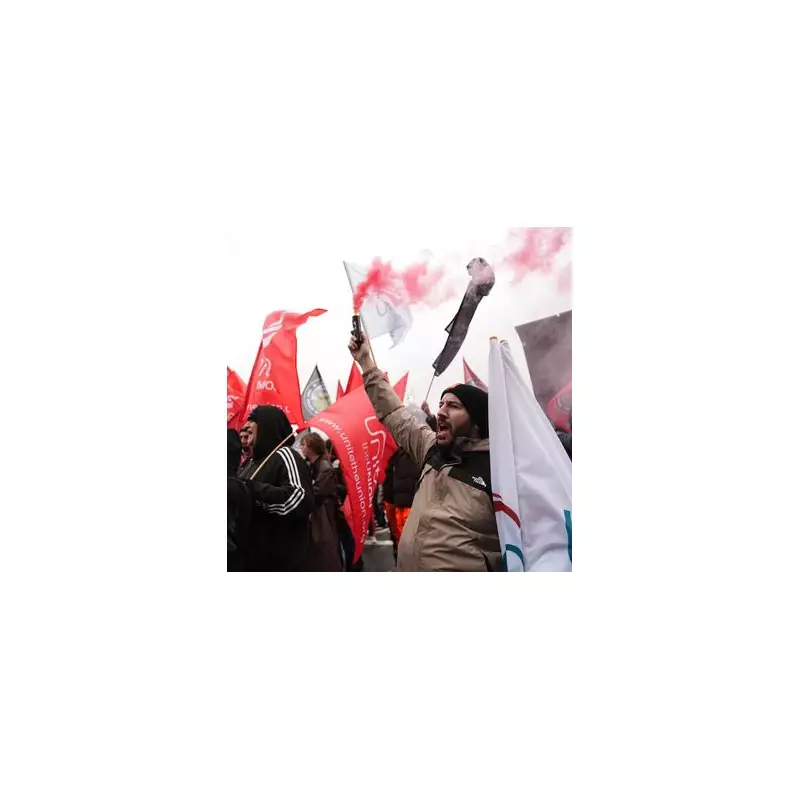
The strike, led by the Unite union against the Labour-run council, began over the loss of the Waste Recycling and Collection Officer role. Over the past year, striking workers have claimed they face a potential pay cut of up to £8,000—a figure the council disputes.
Despite talks, the two sides remain deadlocked. The council insists a fair offer was made and that last summer negotiations ended as it had "reached the absolute limit of what we can offer" amid equal pay concerns. Unite, however, has claimed a "ballpark" deal was agreed in lengthy discussions last year but could not be approved by the council's commissioners.
With no resolution in sight, Birmingham residents and the council's finances continue to bear the brunt of one of the city's longest-running industrial disputes.