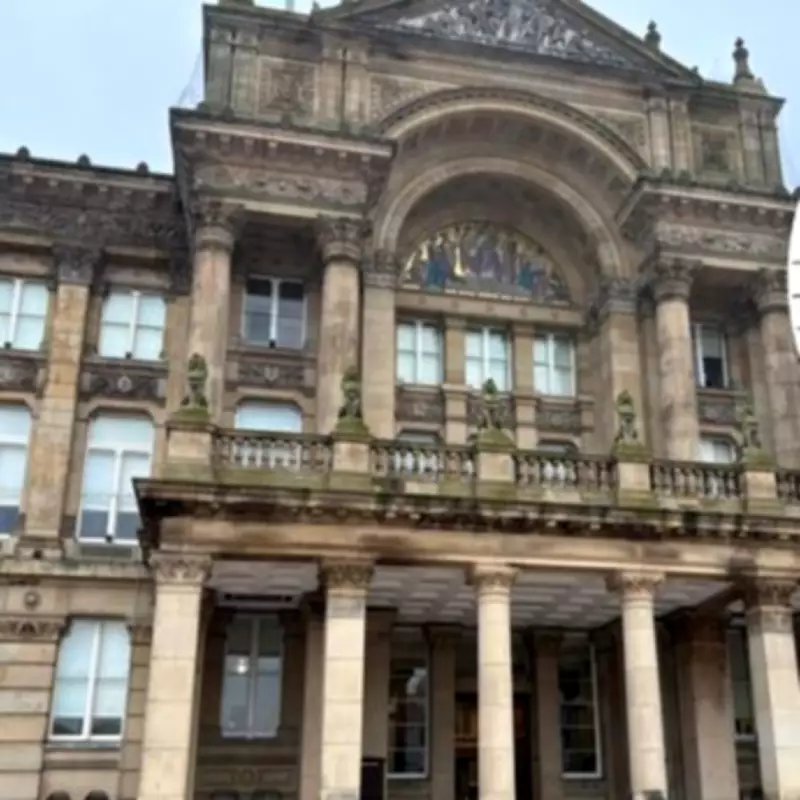
Birmingham City Council's proposals to increase council tax by approximately 5 per cent have progressed significantly, as the Labour-led authority outlines its financial strategy for the upcoming year. This development follows the council's recent announcement that it is no longer in a state of effective bankruptcy, a status it declared in 2023, which led to severe service cuts and previous tax hikes.
From Bankruptcy to Budget Proposals
After facing a dire financial crisis in 2023, the council implemented unprecedented reductions in local services and approved substantial council tax increases—around 10 per cent initially, followed by approximately 7.5 per cent the subsequent year. Despite these measures, the authority has now managed to close a massive £300 million budget gap, although it continues to grapple with disruptions from an ongoing bins strike.
Details of the Proposed Tax Increase
The council is now proposing a council tax rise of 4.99 per cent for the 2026/27 financial year. This figure aligns with the government's cap, which limits most councils, including Birmingham, to a maximum increase of 5 per cent. If approved by the full council, this would result in the council tax for a Band D property rising from £2,237 to £2,353.17 starting this April—an increase of just over £116.
This amount includes precepts for the Fire and Rescue Authority and the Police and Crime Commissioner, both of which are pending formal approval. Council leader John Cotton expressed regret over the previous increases but emphasised that the council is now operating within the mainstream practices of local government across the country.
Political Reactions and Ongoing Challenges
Opposition councillors have voiced strong criticism during recent meetings. Councillor Roger Harmer, leader of the Liberal Democrats group, argued that the council remains far from being back on track, citing continuous council tax hikes and persistent issues like the bins strike. He highlighted problems such as fly-tipping, crumbling roads, and soaring tax bills, stating that avoiding bankruptcy is merely the minimum expectation.
Similarly, Conservative councillor Robert Alden contended that council tax has skyrocketed while services have been drastically reduced. Fellow Conservative Ewan Mackey added that Labour's governance in Birmingham has historically led to waste, delays, and repeated crises.
A Turning Point in Recovery
In a statement regarding the latest budget plans, Councillor Cotton described this as a significant moment in the council's recovery. He attributed the progress to decisive actions taken to address the budget gap and equal pay liabilities, with support from government-appointed commissioners. Cotton asserted that the 'bankrupt Birmingham' label is now a thing of the past, thanks to the hard work of council members and officers.
Looking ahead, Cotton expressed ambition for Birmingham's future, pledging to collaborate with West Midlands Mayor Richard Parker and the government to invest in communities. The goal is to deliver improved housing, jobs, and services for the city's residents.
Additional Investments and Underlying Issues
The council's budget for 2026/27 includes an extra £130 million investment in council services, focusing on cleaner, safer streets and enhanced local offerings. However, the financial crisis was exacerbated by Birmingham-specific problems, such as equal pay disputes and the Oracle debacle. Labour councillors have also pointed to funding cuts during the previous Conservative government as a contributing factor.
The ongoing bins strike, triggered by the loss of the Waste Recycling and Collection Officer role, remains a contentious issue. Striking workers claim they face a pay cut of £8,000, a figure the council disputes. The authority maintains that a fair offer was made before negotiations concluded last summer.