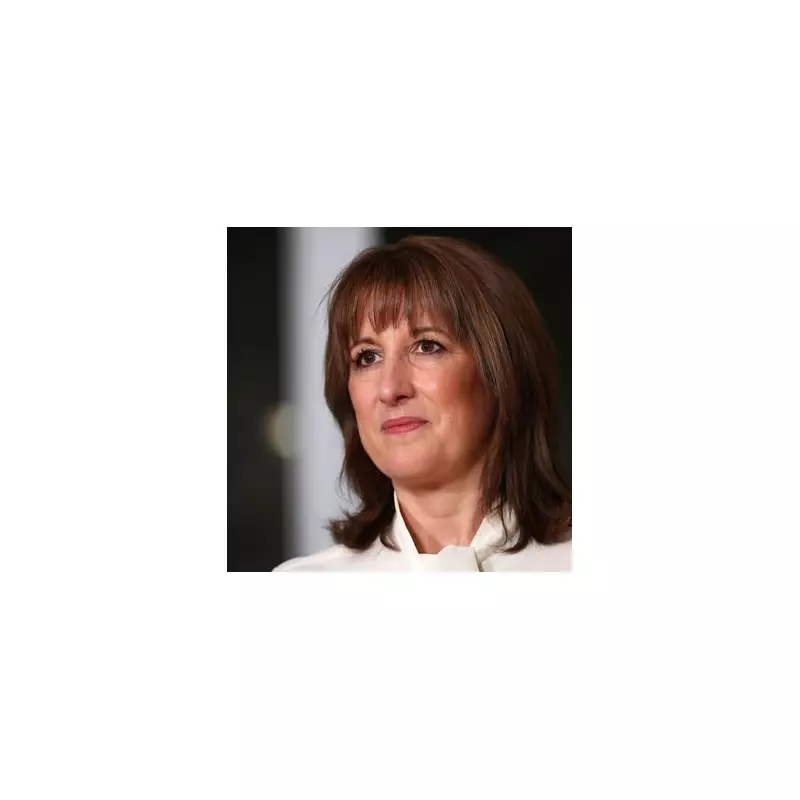
In a significant move to control public spending, Chancellor Rachel Reeves has used her Autumn Budget to announce a major crackdown on benefits fraud and error. The Labour government estimates this initiative will recover £1.2 billion by March 2033.
How the DWP Fraud Crackdown Will Work
The Department for Work and Pensions (DWP) will lead the effort by intensifying its Targeted Case Review (TCR) scheme. This programme is specifically designed to identify and correct fraudulent and mistaken Universal Credit payments.
Established in 2022, the TCR's purpose is to provide insight into new and emerging methods of fraud and error within the social security system. The government has been scaling the programme rapidly, with a target of 5,930 Full Time Equivalent reviewing agents by March 2025.
The ultimate financial goal of the TCR is substantial. The government aims to achieve savings of £13.6 billion in Annually Managed Expenditure (AME) by March 2030. The scheme has already reviewed over one million claims since it began, leading to expected AME savings of more than £1 billion by the end of the 2024/2025 financial year.
Chancellor's Statement on Fair Choices
Chancellor Reeves defended the policy, stating her intention to build on existing checks to prevent public money from going to those not entitled to it.
"I am building on our successful use of targeted checks on welfare claims to root out fraud and error and prevent public money being paid to people who are not entitled to it," Reeves said.
She emphasised that her approach was a "fair and necessary" choice to deliver on the promise of change, explicitly ruling out a return to austerity while also vowing to avoid reckless borrowing. Her focus, she stated, remains on delivering the "biggest drive for growth in a generation."
Other Key Budget Announcement: Cash ISA Allowance Cut
Alongside the fraud crackdown, one of the most notable announcements was a significant change to savings policy. The Chancellor confirmed the tax-free allowance for Cash ISAs will be reduced from £20,000 to £12,000.
This move had been widely speculated upon, and the policy includes a key exemption: it will not apply to individuals over 65, who will retain the £20,000 allowance. The allowance for Stocks and Shares ISAs remains unchanged at £20,000.
Financial commentator Martin Lewis responded to the news on social media platform X, noting the stated aim was not to raise revenue but to encourage younger people to invest rather than save. He described the over-65s exemption as making "total sense" and expressed relief that the government had listened to feedback, adding that the £12,000 limit is still a "reasonable whack for many people."
Lewis also stressed that for this policy to work effectively, it must be accompanied by better investment education and easier access to guidance for young people.