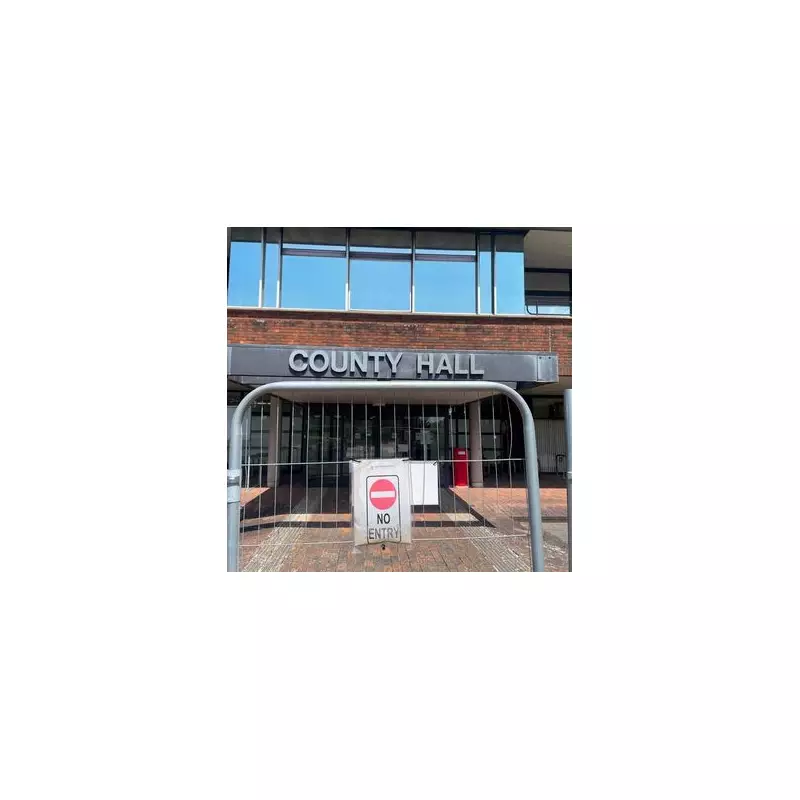
Worcestershire County Council has come under fire after it was revealed the authority paid consultants £325,000 to develop plans for a new 'super council' for the region.
Controversial Consultant Fees Revealed
The substantial sum, paid to global consultancy firm PwC, was disclosed during a council scrutiny panel meeting on Monday. The payment covers work done to create blueprints for a major local government reorganisation that could see the current council structure abolished by 2028.
Under government plans, Worcestershire County Council and the county's six district councils face being replaced by one or more unitary authorities. The council, alongside Wyre Forest District Council, supports a 'One Worcestershire' strategy that would create a single authority covering the entire county.
Divided Opinions on Council Future
However, the remaining five district councils – Worcester, Malvern Hills, Wychavon, Redditch and Bromsgrove – prefer establishing separate unitary councils for northern and southern Worcestershire.
During Monday's overview and scrutiny performance board meeting, Councillor Natalie McVey directly questioned the costs associated with the 'One Worcestershire' proposal.
Chief financial officer Phil Rook detailed the expenditure, explaining that an initial cost appraisal cost £75,000, followed by a further £50,000 from March for refining work. The final phase, involving leadership team sessions and developing target operating models, cost another £200,000.
Value for Money Questions Raised
Mr Rook did note that the council received a Government contribution of approximately £38,000 toward these costs. Nevertheless, Councillor Seb James challenged whether the spending represented value for money.
"We have paid a huge amount of money for a report that quite frankly has raised more questions about what the future of this county will look like than given us any answers," James stated.
In response, Mr Rook emphasised the council's challenging financial position, noting they are under exceptional financial support and must repay debts. He explained his collaboration with PwC involved modelling "future sustainability," which includes potential council tax increases and asset sales.
Meanwhile, the five dissenting district councils have worked with consultants Mutual Ventures on their alternative two-authority model, with a proposal now being finalised by KPMG.
Business cases for both options are due to reach the Government this month, with ministerial decisions expected in spring 2026.