Dozens of county and large rural councils across England are preparing to implement significant council tax increases while simultaneously cutting essential services, including bin collections and road repairs, starting from April 2026. This dual approach comes in response to a severe financial crisis, with the County Councils Network (CCN) estimating that these authorities will face a staggering £11 billion funding gap by the 2028/2029 financial year.
Widespread Council Tax Hikes Expected
Approximately 350 local authority areas are set to raise council tax rates from April, with many expected to push bills up by the maximum limit of 4.99 per cent permitted without requiring resident approval. Under current regulations established by the Labour Party government, councils can increase council tax by up to this threshold annually without conducting a local referendum.
Tax experts and personal finance campaigners have expressed widespread concern that numerous councils will opt for this maximum increase, placing additional financial pressure on households already grappling with cost-of-living challenges. Steven Broadbent, finance spokesperson for the County Councils Network, emphasised the burden shifting to local taxpayers, stating: “The burden is being placed firmly on county and unitary councils and local taxpayers, meaning residents face yearly council tax rises for the foreseeable future.”
Service Reductions Across Multiple Areas
Alongside the tax increases, councils are likely to implement substantial cuts to public services to balance their budgets. Key areas facing reductions include:
- Bin collection frequencies and reliability
- Road maintenance and repair programmes
- Library opening hours and resources
- Leisure centre subsidies and facilities
- Public transport support and bus route funding
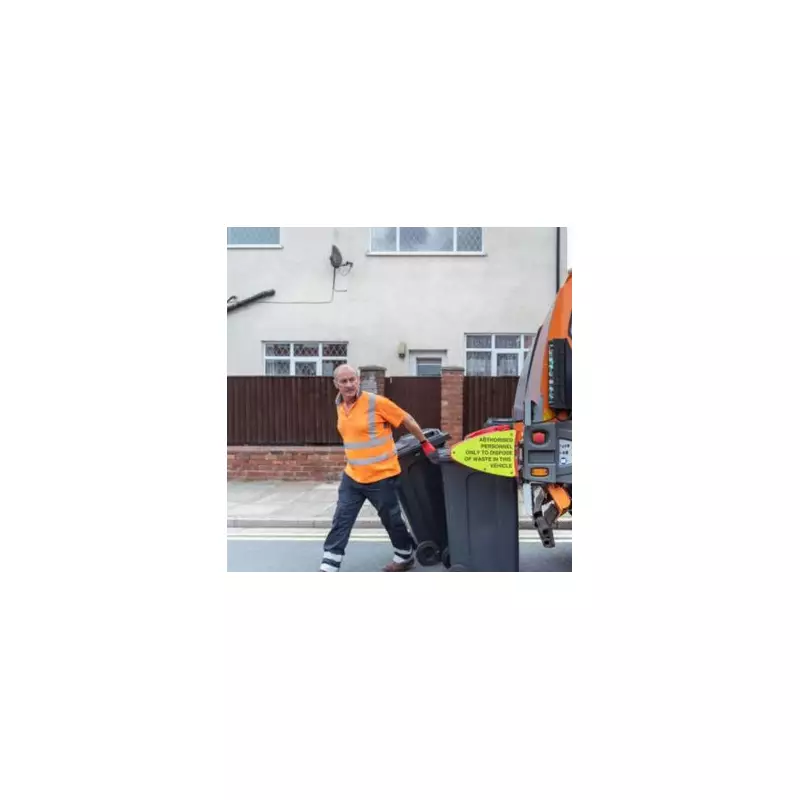
These service reductions come at a particularly sensitive time, as the Labour government introduces a new nationwide system for bin collections designed to standardise recycling practices across England.
New Recycling System Implementation
The government's new “common-sense” approach to waste management aims to end the postcode lottery that currently creates wildly different recycling rules between neighbouring councils. From 2026, waste will be separated into four distinct streams:
- Non-recyclable general rubbish
- Food waste for composting
- Paper and cardboard materials
- All other dry recycling including plastic, metal and glass
This standardised system establishes minimum service requirements that apply uniformly across England, theoretically simplifying recycling processes for residents regardless of their location.
London's Preparedness for Change
Antony Buchan, head of local authority support at ReLondon, commented positively on the upcoming changes, noting that London is particularly well-positioned for the transition. “Simpler recycling is a great thing for Londoners, as it means that we’ll all have access to the same recycling services, no matter where we live in the capital,” he told The Standard.
Buchan explained that most London councils already provide appropriate recycling services to the majority of their residents, putting the capital ahead of other regions. Over the coming months, authorities will focus on addressing remaining service gaps, such as providing food waste recycling facilities to residents living in flats above commercial premises.
The convergence of council tax increases, service reductions, and nationwide recycling reforms creates a complex landscape for local authorities and residents alike. While the standardised recycling system promises greater consistency, the simultaneous cuts to collection services may undermine its effectiveness, creating challenging circumstances for households facing both higher bills and reduced municipal support.