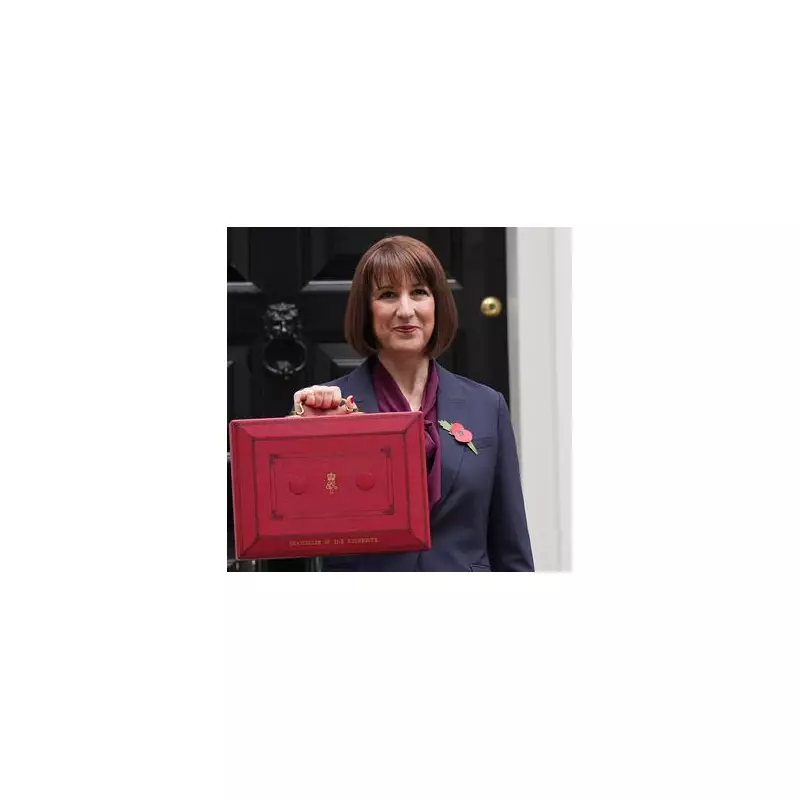
The countdown is now firmly on for Chancellor Rachel Reeves' pivotal Autumn Budget, scheduled for delivery in just 48 hours.
When and Where to Watch the Budget
The Chancellor of the Exchequer will outline the government's tax, borrowing, and spending plans live from the House of Commons on Wednesday, November 26. The statement is expected to begin around 12:30 PM, following the conclusion of Prime Minister's Questions.
Members of the public will be able to watch the address through various media outlets and the official parliamentary broadcast. On the same day, the Office for Budget Responsibility (OBR) will release its own comprehensive economic and fiscal outlook report, providing an independent assessment of the nation's finances.
The Chancellor's Stated Priorities
In a previous statement on November 4, Rachel Reeves laid out the core mission for her budget. She committed to "deliver on the priorities of the British people: Cutting NHS waiting lists, cutting the national debt and cutting the cost of living."
She emphasised her intent to build strong economic foundations and make the necessary choices guided by her party's values. "The difference is in the priorities – and the values – that will guide those choices," Reeves stated, promising "a Budget for growth with fairness at its heart."
She further pledged to protect families from high inflation and interest rates, safeguard public services from a return to austerity, and ensure the national debt is brought under control for future generations.
Speculated Tax and Policy Changes
Recent reports indicate the Chancellor recognises that high prices "hit ordinary families most" and the economy "feels stuck" for many. In response, she has vowed to "take action to grip the cost of living" in Wednesday's budget.
This has led to intense speculation about potential tax rises, which could include:
- Freezing income tax thresholds for an additional two years until 2030, pulling more people into higher tax bands as their pay increases.
- Making salary sacrifice schemes, including those for pension contributions, less generous.
- Introducing a higher tax on the most expensive properties, potentially through a surcharge on high-value homes.
- Implementing a pay-per-mile scheme for electric vehicles to address the 'tax gap' created by the decline in petrol duty revenue.
All will be revealed when the Chancellor stands up in the Commons this Wednesday.