Residents in Dover and Deal are facing a significant financial blow after Kent County Council announced plans to increase council tax bills, directly contradicting previous election promises. The council, now under the leadership of Reform UK, is proposing a 3.99 percent rise for the 2026 to 2027 financial year.
A Broken Promise to Local Households
This proposed increase comes just a year after communities welcomed new investment pledges for town centres and local projects. The move has sparked anger, as Reform UK campaigned both locally and nationally on a platform to cut or freeze council tax, vowing to protect household budgets. Instead, the proposed hike is close to the legal maximum allowable increase.
For an average Band D property, the rise translates to an extra £67 per year payable to Kent County Council alone. This figure does not include additional precepts for police and fire services, meaning the total bill will be even higher. For many families, this sum represents money that would otherwise be spent on essential costs like food, energy, childcare, or transport.
National Pattern and Local Impact
The situation in Kent is not isolated. Other councils across the country controlled by Reform UK are reportedly planning similar increases, with some considering rises of up to five percent. This marks a significant shift from their stated electoral position and has been labelled a clear breach of trust by critics.
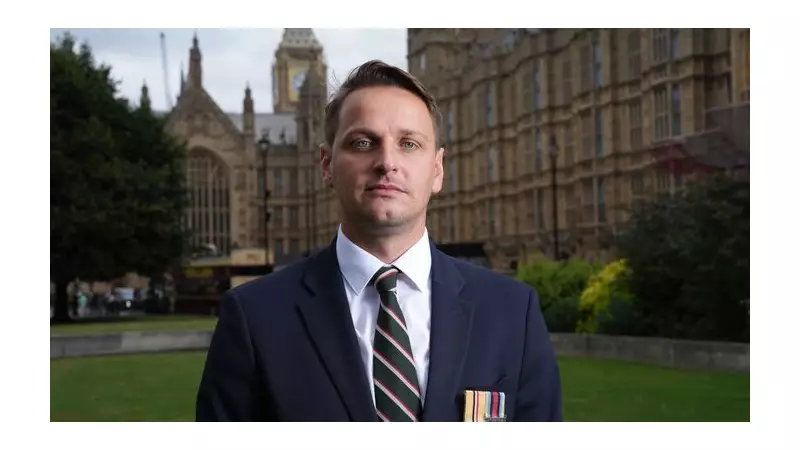
Mike Tapp, the MP for Dover and Deal, has voiced strong opposition, stating that the increase threatens the optimism generated by recent community investments. He emphasised that for his constituents, this is not spare change but a direct hit to their living standards at a time when the cost of living remains persistently high.
Labour's Contrasting Community Investment
In contrast, the Labour Party has highlighted its alternative approach through initiatives like the Pride in Place project. This scheme is set to deliver substantial long-term investment directly to communities, with areas like Buckland and St Radigunds in line to receive up to £20 million over the next decade.
This funding is designed to be community-led, with local residents, businesses, and organisations forming neighbourhood boards to decide how the money is spent. Priorities are expected to include revitalising high streets, improving public spaces, and upgrading community facilities. The aim is to put local voices at the heart of regeneration, rather than leaving decisions to distant politicians.
The proposed council tax rise in Kent underscores a stark divide in political priorities. As households in Dover and Deal brace for higher bills, the debate centres on leadership that keeps its promises and delivers practical support for working families.