Solihull Council Approves Maximum 4.99% Tax Increase for Residents
Solihull Council has officially passed a 4.99 per cent council tax rise for local residents, following a robust and contentious debate among councillors. The Conservative-led administration agreed to the increase, which will add approximately £83 to the annual bill for the average Band D taxpayer. This decision forms part of a broader budget totalling £244.357 million, which was approved by the full council on Thursday, February 26.
Maximum Allowable Rise Without Referendum
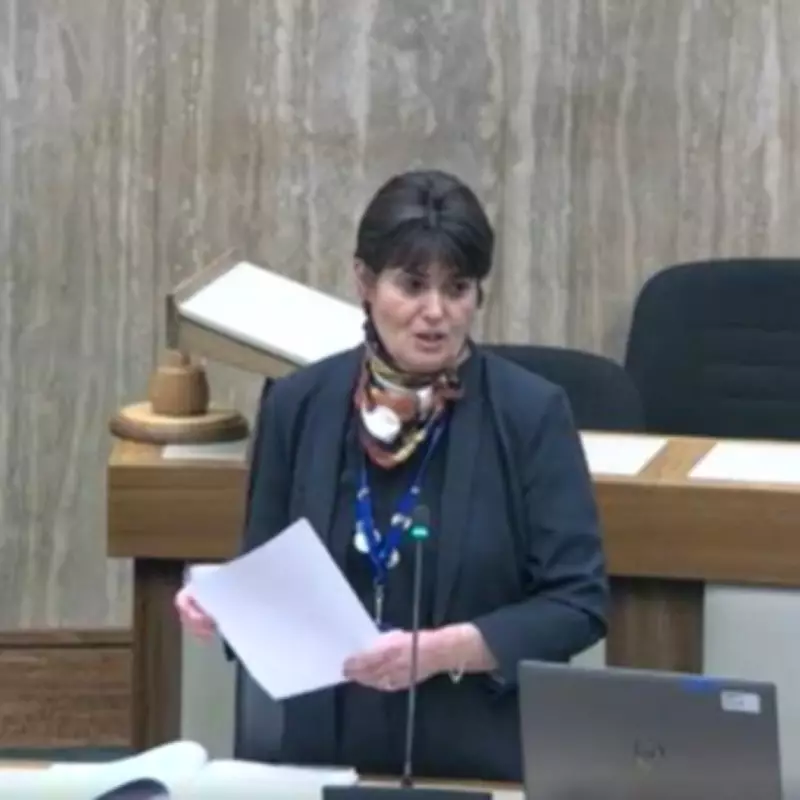
The 4.99 per cent hike represents the maximum amount a local authority can implement without triggering a mandatory referendum or seeking special exemptions through emergency government support. Council Leader Karen Grinsell addressed the financial pressures facing the council, stating, “Financial challenges we have faced in recent years have been compounded by uncertainty over government funding.” She emphasised that the council had lobbied for a fair funding review, which did not materialise, but assured that the budget is balanced and efforts are underway to address future financial hurdles.
Opposition Criticism and Concerns
Green Party leader Councillor Max McLoughlin voiced strong opposition, labelling the budget as “managed decline.” He highlighted £14.4 million in cuts to essential services and a raid on reserves intended for crises. McLoughlin expressed alarm over warnings from Andy Felton, the council’s director of resources, who indicated that the council may need to seek permission for up to 9.99 per cent tax rises in both 2027/28 and 2028/29 due to ongoing financial challenges. “This is not a plan, this is built on the foundations of austerity,” McLoughlin remarked, referencing concerns about the administration’s direction.
Political Reactions and Future Implications
Councillor Michael Gough, leader of the Reform group, supported the budget, describing it as providing “breathing space” for a potential “root and branch review” of finances if his group assumes control after the May elections. However, he criticised the prospect of future 9.99 per cent increases as a “landmine” left for the incoming administration. Liberal Democrat leader Councillor Ade Adeyemo added that the Conservative administration’s long tenure has left little room for change, underscoring the severity of the situation.
Deputy leader Ian Courts defended the budget, emphasising the balance between protecting frontline services and minimising tax burdens. “Producing a budget is about a balance,” he said, noting that the council has historically navigated similar challenges. The budget ultimately passed with votes from the Conservative group, Reform councillors, and independent councillor Alison Rolf, while opposition members, including the Greens and Liberal Democrats, voted against it.