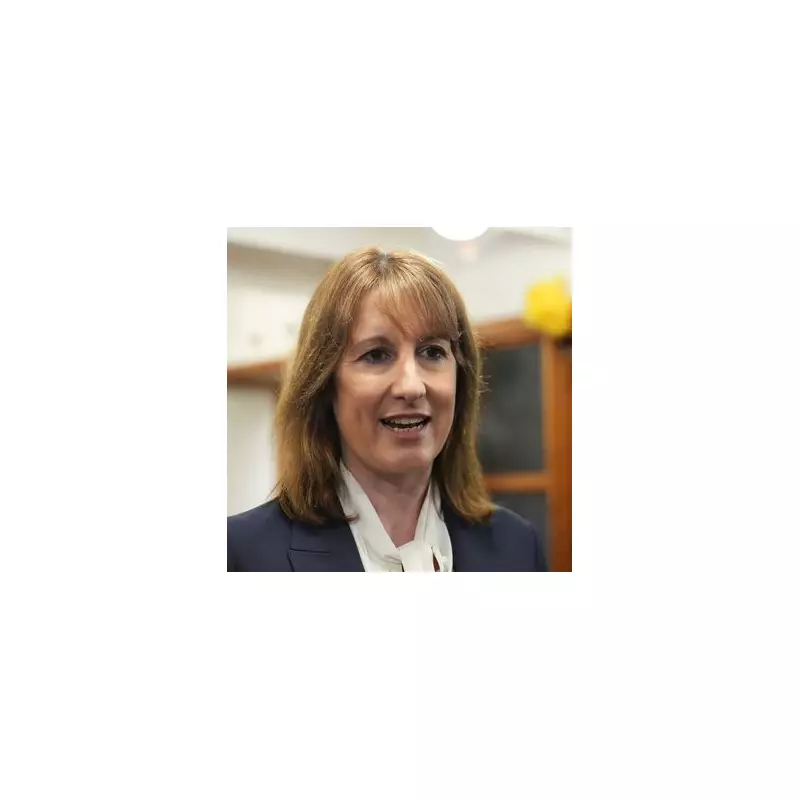
Millions of UK households have been warned they could be over £500 a year worse off in real terms by the end of the decade, as Chancellor Rachel Reeves is set to proceed with a major extension to a key tax policy.
The Extended Freeze and Its Direct Impact
Chancellor Rachel Reeves is expected to confirm the continuation of a planned freeze on income tax thresholds. This policy, first implemented by the Conservative government in the 2021-22 financial year and originally scheduled to last until 2028, will now be extended through to 2031.
According to a new analysis by the right-leaning think tank the Centre for Policy Studies (CPS), this decision will have a significant tangible effect on workers. The research indicates that an individual earning approximately £50,000 will see their real, post-tax income decline over the coming five years.
Once adjustments are made for forecast inflation and expected wage growth, the post-tax take-home pay for such a worker is projected to fall from £39,520 to £39,014. This represents an annual loss of more than £500 in today's money.
Fiscal Drag: The 'Back Door' Tax Rise
Daniel Herring, Head of Economic and Fiscal Policy at the CPS, criticised the move, stating: “Labour’s tax policy is quietly hammering workers while protecting pensioners and benefit recipients.”
He explained the mechanism at play: “Freezing the personal allowance for income tax will hit everyone, but it’s those who are dragged into higher tax bands who will really suffer - to the point where a worker on £50,000 today is set to actually be poorer in five years’ time, despite getting pay rises.”
This process, known as fiscal drag, occurs when tax brackets remain static while wages rise with inflation, pulling more people into higher tax brackets without an explicit increase in tax rates. Herring described it as “raising taxes for millions of workers through the back door.”
Meanwhile, the analysis notes that the value of the state pension and universal credit is expected to increase in real terms over the same period.
Millions to be Pulled into Tax Nets
The long-term ramifications of the extended freeze are substantial. Official estimates from the Office for Budget Responsibility (OBR) predict that by 2030, the policy will have significant consequences for the UK workforce.
The OBR forecasts that an additional 4.2 million people will be pulled into paying income tax as a result of the thresholds not keeping pace with earnings.
Furthermore, the freeze is expected to drag 3.5 million more individuals into the higher-rate or additional-rate income tax bands, significantly increasing their tax burden.
This policy decision places the Chancellor in a challenging position, balancing fiscal responsibility with the cost-of-living pressures facing ordinary workers, with the full financial impact becoming clearer as the decade progresses.