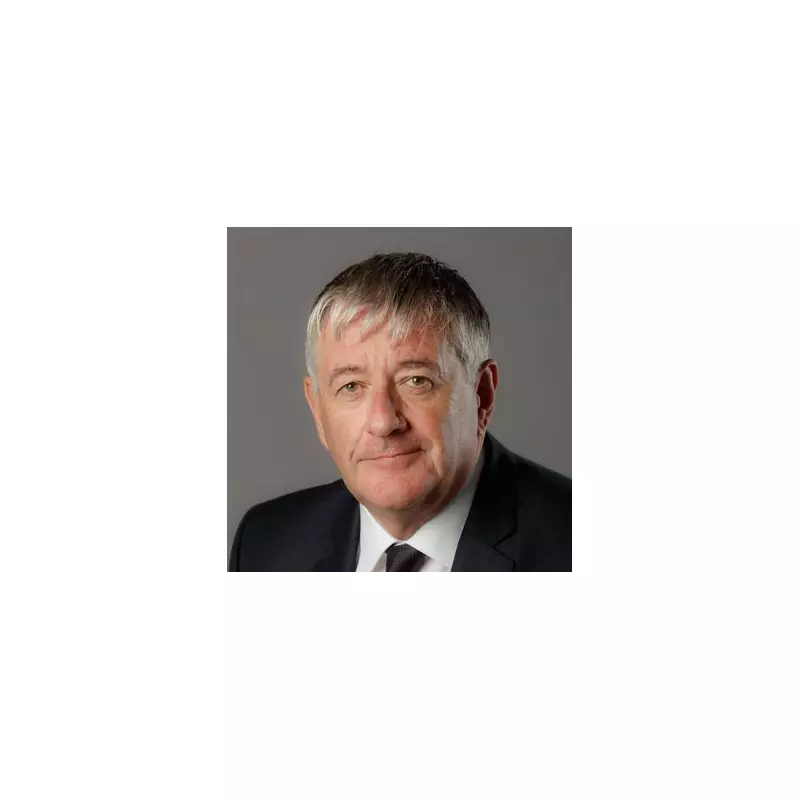
The government-appointed team tasked with rescuing Birmingham City Council could remain in place until October 2028, the new lead commissioner has revealed in a frank assessment of the authority's deep-rooted problems.
A 'That'll Do' Attitude That Won't Do
In his first major interview since taking charge, Tony McArdle stated the most significant challenge is transforming a culture of complacency that became normalised over two decades. He reported encountering a pervasive 'that'll do' attitude among staff, where the standard of work was not sufficient for a council of Birmingham's stature.
McArdle, who leads a team of six other commissioners each paid £1,100-£1,200 per day, possesses the power to dismiss senior officers and overrule the Labour leadership if necessary. His primary directive from the Government is to ensure the council meets its legal duties and addresses its severe financial crisis, which led to effective bankruptcy in 2023.

Progress on the Path to Recovery
Despite the long road ahead, McArdle highlighted tangible progress on the three core issues that triggered government intervention. He expressed high hopes that all three would be resolved early next year.
The council is on track to present a legal, balanced budget. Furthermore, the final bill for the council's massive equal pay liability should be known and accounted for by April 2025. The third major issue, the failed multi-million-pound Oracle IT and finance system, is expected to be live and functioning properly by the middle of 2025.
McArdle also identified resolving the ongoing bin dispute as an immediate priority.
Building an Autonomous Future
McArdle explained that his team's role is not just to issue orders but to mentor and coach the council back to full autonomy. "Our job is to build it back... so it can't be about constantly just telling people what to do," he said. The goal is to leave behind a council capable of confident and competent decision-making.
He attributed many past failures to a chaotic churn of senior staff, including too many chief executives and finance officers over the last decade. This instability prevented junior staff from learning good practices and led to dysfunctional norms.
A detailed recovery plan, outlining the steps the council must take before commissioners can recommend their departure, will be presented in late January 2025. McArdle emphasised that if the council meets all targets satisfactorily by October 2028, or earlier, the team will advise the Secretary of State that their work is done.
"None of us want to be here any longer than we have to," McArdle concluded, expressing a desire to see Birmingham reclaim its reputation as England's rightful second city and a flagship of local government.