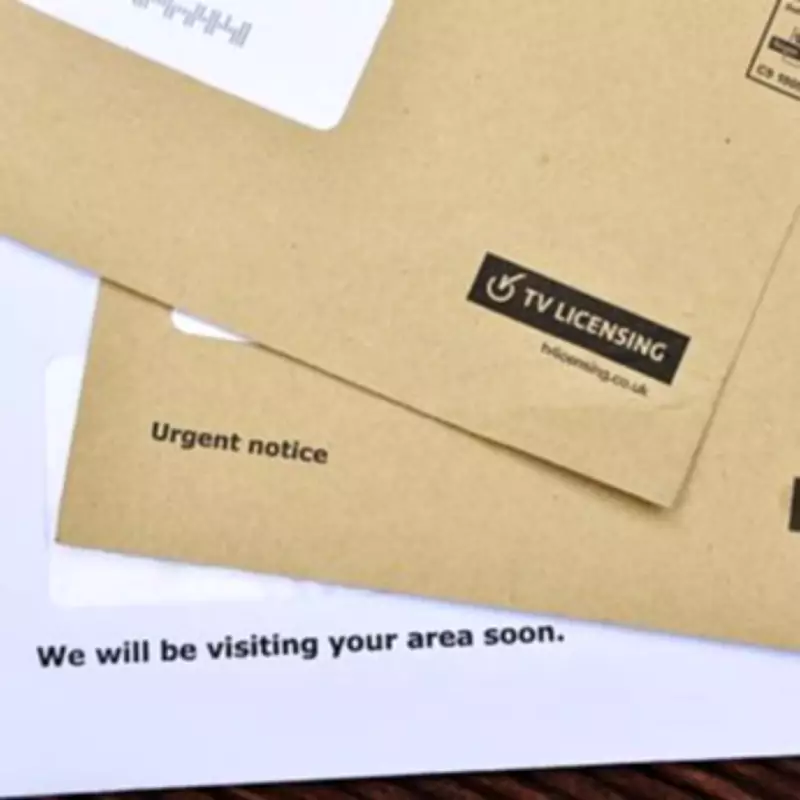
UK households facing the impending rise in the BBC TV Licence fee have a straightforward legal option to reduce their bill to zero, provided they meet certain eligibility criteria. With the annual cost set to increase from £174.50 to £180 starting 1 April, many are exploring ways to manage this additional expense.
Understanding the TV Licence Fee Increase
The Department for Culture, Media and Sport (DCMS) has confirmed that the TV licence fee will rise by £5.50 this year, marking a slightly larger increase compared to last year's £5 adjustment. This change translates to an extra 46p per month for those who continue to pay. The TV licence is a mandatory legal permit required for watching or recording live television programmes on any device, including through broadcast, pay TV services, or streaming platforms.
Who Needs to Pay the TV Licence?
According to official guidelines, anyone who watches or records live TV must possess a valid TV licence. This can be purchased annually or obtained for free by individuals aged 75 or older who are receiving pension credit. However, there is a significant exemption that allows many households to avoid the fee entirely.
How to Legally Avoid Paying the Licence Fee
TV Licensing clearly states that you do not need a TV licence if you never watch live programmes on any channel, pay TV service, streaming service, or use BBC iPlayer. For those who fall into this category, simply not paying is the legal course of action. This means households that exclusively consume on-demand content from services like Netflix or Amazon Prime, without accessing live broadcasts or iPlayer, can legitimately escape the fee.
Steps to Cancel and Request Refunds
If you currently have a TV licence but no longer require it, it is essential to follow the correct procedures to avoid unnecessary charges. TV Licensing advises against cancelling your Direct Debit independently if you wish to request a refund, apply for a different type of licence, or change your payment scheme. Instead, you should contact them directly, as cancelling the Direct Debit does not cancel the licence itself, and you may continue to receive reminder letters.
When applying for a free TV licence or a blind concession licence, there is no need to cancel your Direct Debit manually. The organisation will handle the cancellation and process any refunds owed to you. Refunds are available if you will not need your licence before it expires and you have at least one complete month remaining. Those eligible for blind concessions can apply for a refund at any time, regardless of how much time is left on the licence.
Important Refund Deadlines
Applications for refunds must be submitted up to 14 days before the date you no longer need the TV licence. This ensures a smooth transition and helps avoid any confusion or overpayment. By understanding these rules and taking timely action, UK households can effectively manage their finances and potentially save £180 annually.
This guidance highlights the importance of reviewing your viewing habits and eligibility to make informed decisions about the TV licence, especially with the upcoming fee increase. Many may find that they can legally opt out, providing welcome relief amid rising living costs.